

Mem Moment | Blood, Life, and Memory
Parashat Re’eh “See”
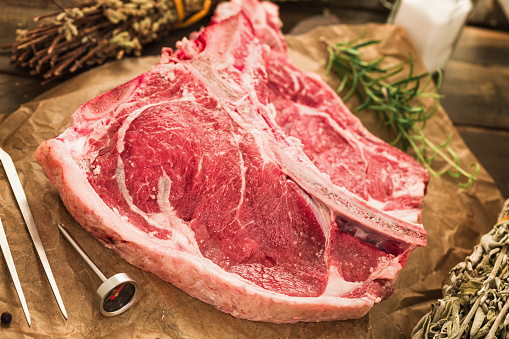
While reading Parashat Re’eh, I was struck by the prohibition against eating blood, which is mentioned five times.[1] Why this much insistence? Parashat Re’eh marks a pivotal shift in Israelite life: once the people enter the land and settle at a distance from the central sanctuary, they are permitted to slaughter and eat meat wherever they live. As Deuteronomy 12:20 states:
When the Holy One enlarges your territory, as promised, and you say, “I shall eat some meat,” for you have the urge to eat meat, you may eat meat whenever you wish.
For the first time since receiving the Torah, eating meat is decoupled from ritual sacrifice. Even as the altar recedes from daily experience, the Torah ensures that slaughter cannot become thoughtless. Deuteronomy 12:23 states:
But make sure that you do not partake of the blood; for the blood is the life, and you must not consume the life with the flesh.
The laws of kashrut prohibit blood and meat together because life and death should not be served at the same table. Blood carries oxygen throughout our body, so this life-force remains untouchable, poured out like water and returned to the earth rather than consumed.
There is a curious word in the verse–chazak, be sure, be strong. Why would a person need fortitude to avoid eating blood? Israelites had the practice of consuming blood before receiving the Torah at Sinai, so it’s about breaking a habit. But there is something beyond diet: memory.
What Re’eh asks us to resist is the pull toward forgetting, letting a life taken for sustenance become a convenience, stripped of moral weight. While it grants the convenience of eating meat wherever we are, our Torah asks us to never forget the cost.
In an industrialized food system, where so much is available to me, what discipline of memory keeps the source of what sustains us invisible? May we find the strength to eat, to take, and to live in this world without forgetting what it costs. May that memory make us gentler stewards of every life we depend on.
[1] Deuteronomy 12:16, 12:23, 12:24, and 12:25 and, less directly, in 12:27.