20 Years of Stories: Michael and Steve Cohen
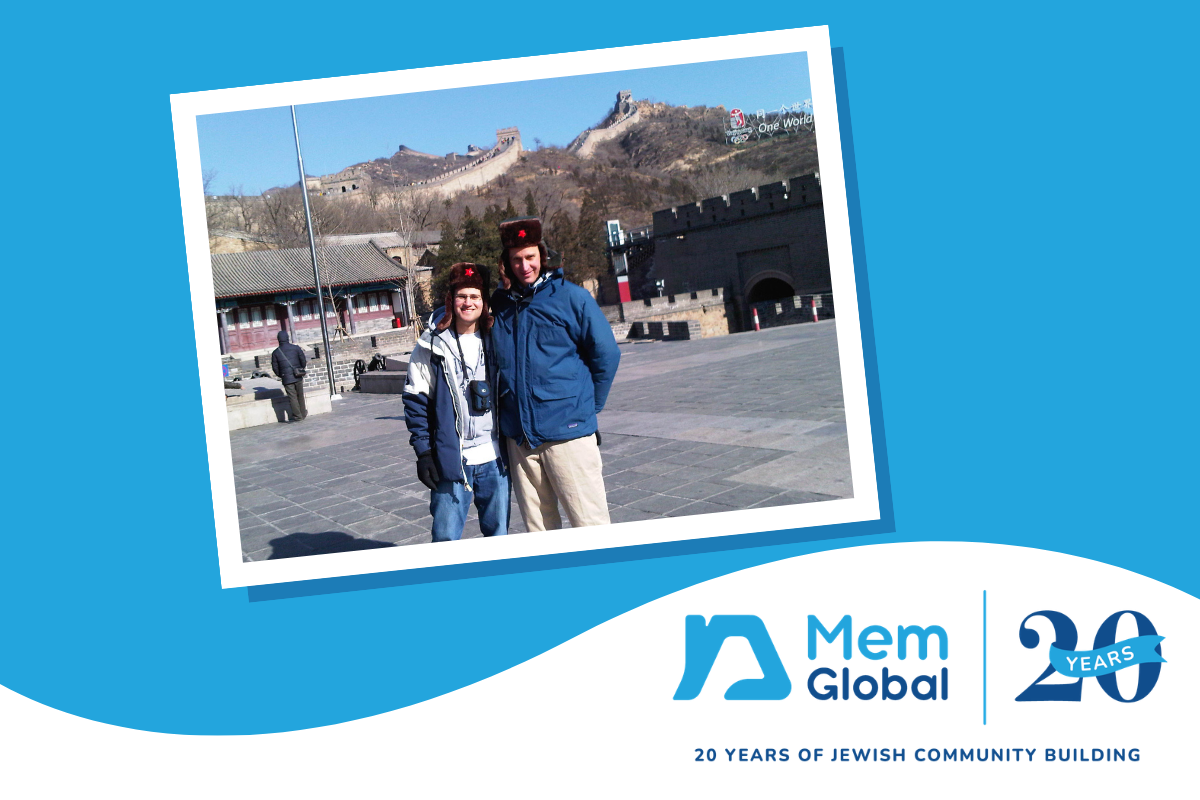
Even if they had never met him themselves, Moishe House Residents around the world know the name of Michael Cohen. As a participant in Moishe House Beijing, Michael was an enthusiastic world traveler, drawing a warm and bustling Jewish community around him even when he was thousands of miles away from home.
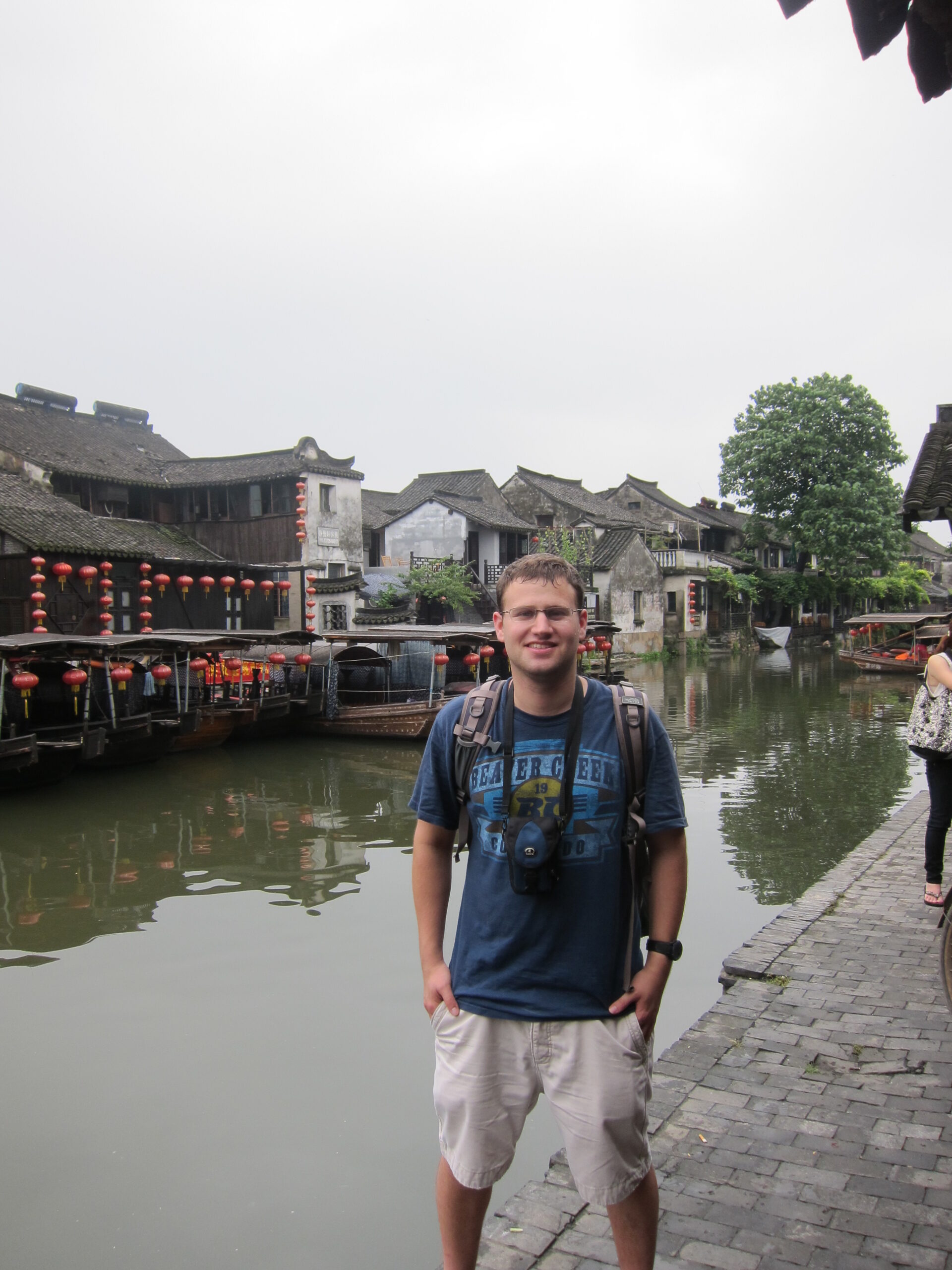
Michael, who spoke fluent Mandarin, had moved to China after college, in order to live and work there for an extended period, a goal he had set for himself years earlier. “He wanted to be as immersed in the Chinese world as possible,” his father Steve explains.
And he was. Michael worked in the tech industry during his three and a half years there and built friendships with people from across China, even becoming the best man at a Chinese friend’s wedding.
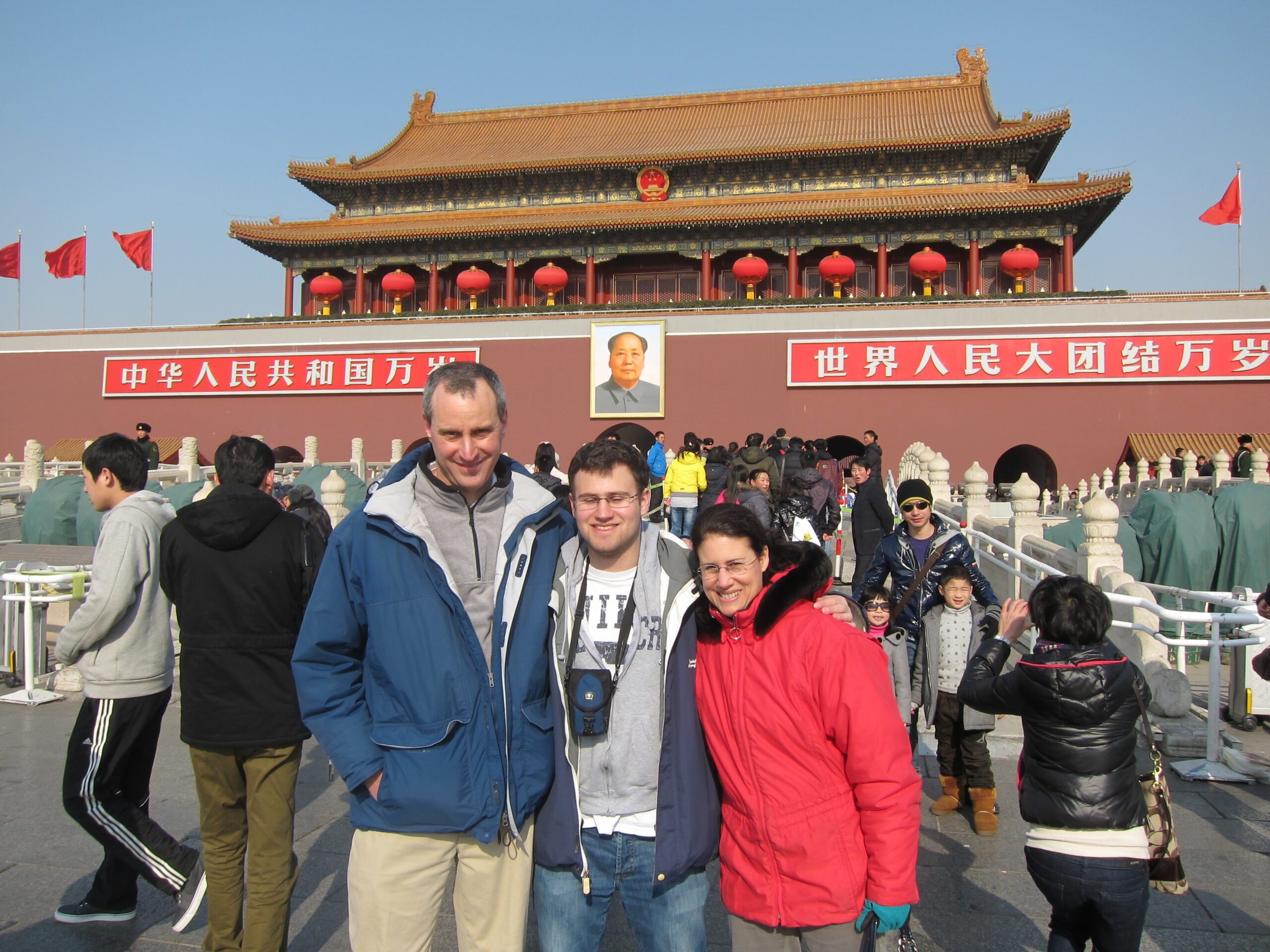
But living abroad also showed him the importance of connecting with fellow Jewish expats, who tended to form their own close communities. Michael had always been very Jewishly involved, serving while in college as co-president of the Jewish Student Union, Head Jewish Mentor and treasurer of Hillel at the five Claremont Colleges (which includes Pomona College, where he was a student). In Beijing, Moishe House was a natural place for him to bond with other young Jewish adults building lives far from home.
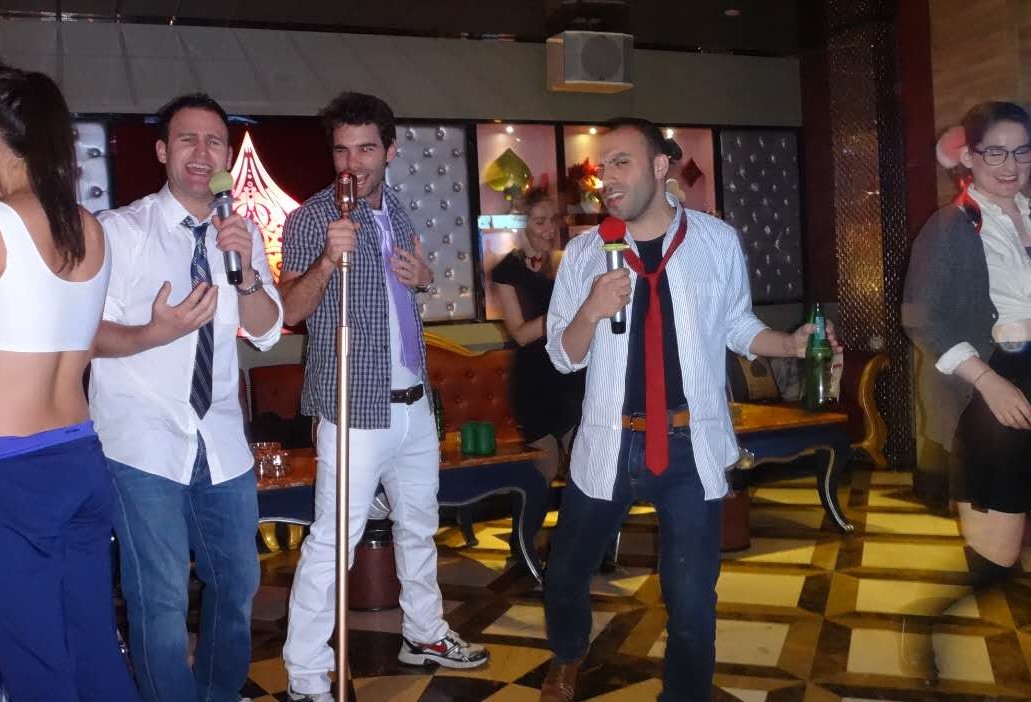
Steve recalls that there were “around fifteen people” who made up the core of Michael’s tight-knit Jewish community at the Beijing Moishe House.
“One was an Israeli woman with whom we kept in touch for a long time, who later came to the US to become a lawyer. Another was an American who subsequently joined the Foreign Service and served in Kazakhstan. A third was Leon Fenster, the British artist and Jewish scholar who created the London Jewish Mural, and the upcoming Mem Global 20th anniversary art commemoration. And another – Michael’s karaoke buddy – whom we met for dinner a couple of years ago, eventually returned to the Israeli tech sector. Not surprisingly, It was a great collection of people, as you would expect from a Moishe House community.”
Besides bringing back the comforts of home, like Shabbat dinners, lox and bagel brunches, and matzah ball soup after services, there were experiences Michael could only have found by building a Jewish life halfway around the world. Every month was a new adventure, including some especially noteworthy ones such as traveling 400+ miles to meet the Kaifeng Jews, the native Chinese who have practiced Judaism in Mandarin for a thousand years.
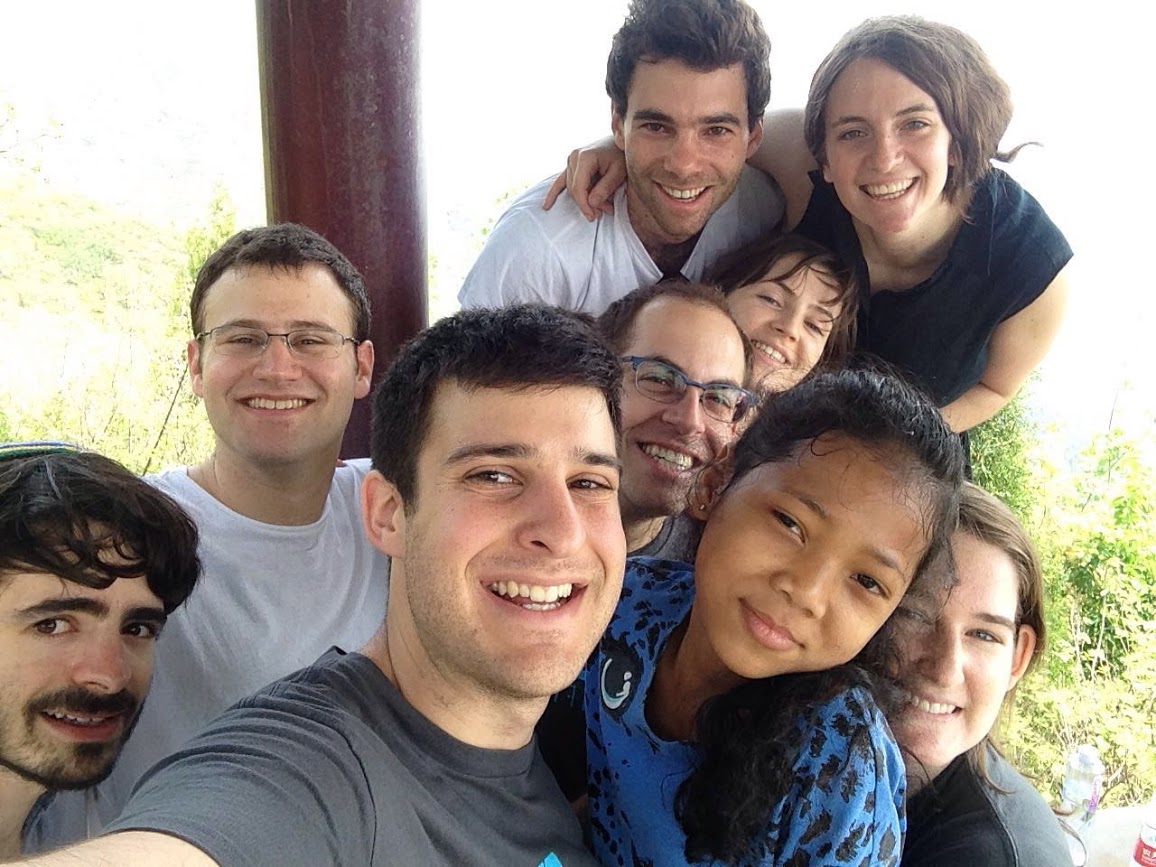
After returning to Boston, Michael became an active participant in the Cambridge Moishe House until tragically passing away a year later. “This was a deeply traumatic time for my wife, me and our other children, who adored Michael,” says Steve. “We were shaken to our cores.”
“Friends reached out to help, including asking if there was a way to make a donation in Michael’s memory. We had no idea, but I remembered how much Moishe House meant to Michael, so we suggested people donate there. Before Michael left for China I had never heard of Moishe House, and only vaguely understood how it worked. But I knew that if he was involved it was something of value.”
A month or so later, Steve received a call from someone named David Cygielman, who identified himself as the founder and CEO of Moishe House. “David said, ‘we’ve been getting a lot of donations and letters about your son, who sounds extraordinary,’” Steve remembers. David said he was coming to Boston and asked if he could have lunch with Steve to hear more about Michael. “I thought it was an extremely thoughtful thing to do,” Steve recalls.
That lunch marked the beginning of Steve’s own journey with Moishe House. Over the next couple of months he met members of the board, and signed up for On the Road, Mem Global’s annual trip for donors and supporters, to get a better understanding of what Moishe House did. The trip, which visited London and Brussels, showed him the impact the work could make, especially in communities of Jews from the former Soviet Union, many of whom had grown up knowing they had Jewish ancestry but not having any real Jewish connection.
“There were young people we visited for whom Moishe House was their link to being Jewish,” Steve explained. “I realized that if Moishe House wasn’t there, without a community that was receptive to someone who hadn’t lived their whole life in it, they would never have a path to discover their Jewishness.”
After the trip, Steve was asked to join the Moishe House Board, and four years later was elected Board Chair, a position he filled for three years until March 2025.
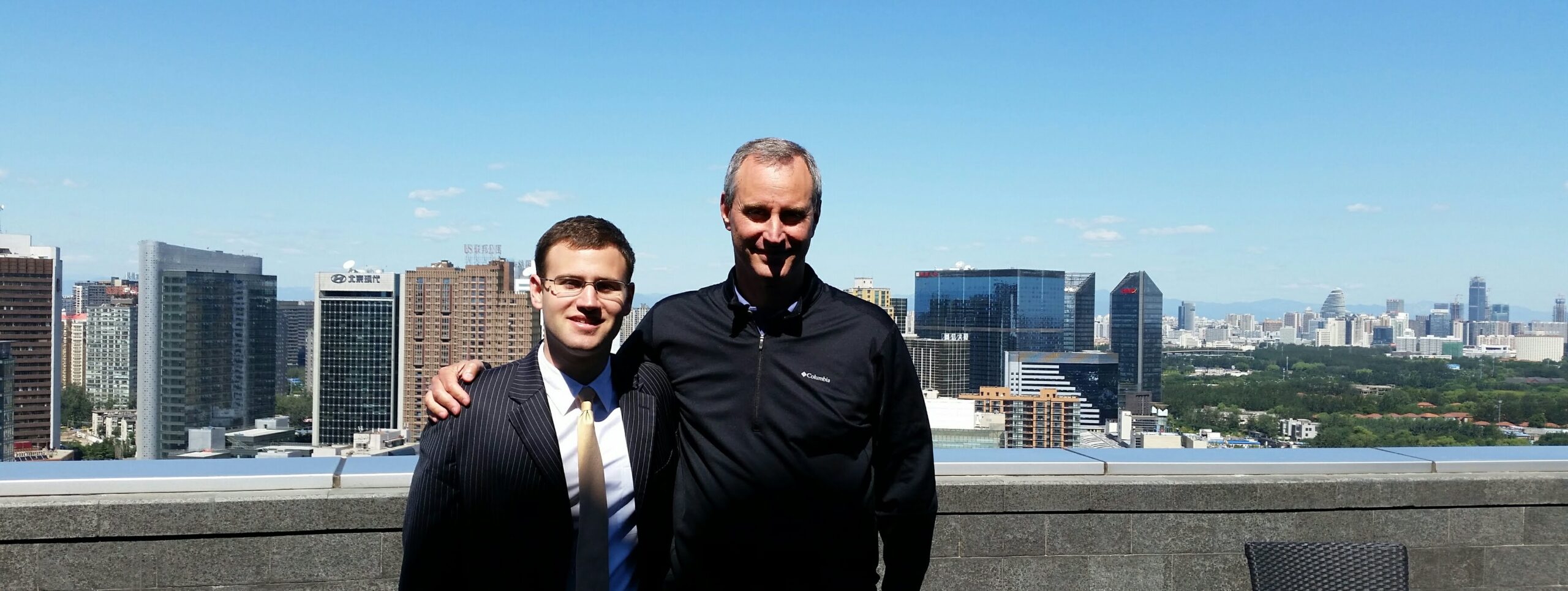
Along the way, David surprised Steve again. He proposed the Michael H. K. Cohen Award, to be given annually to one domestic and one overseas Moishe House resident who exemplifies Michael’s combination of intellectual curiosity, kindness, passion for travel, and dedication to Jewish community-building. “The idea for the award came out of the blue. I was blown away by it and deeply appreciative,” Steve remembers. The recipient of the award receives a travel stipend, which Residents use for international travel often to a far off Moishe House.
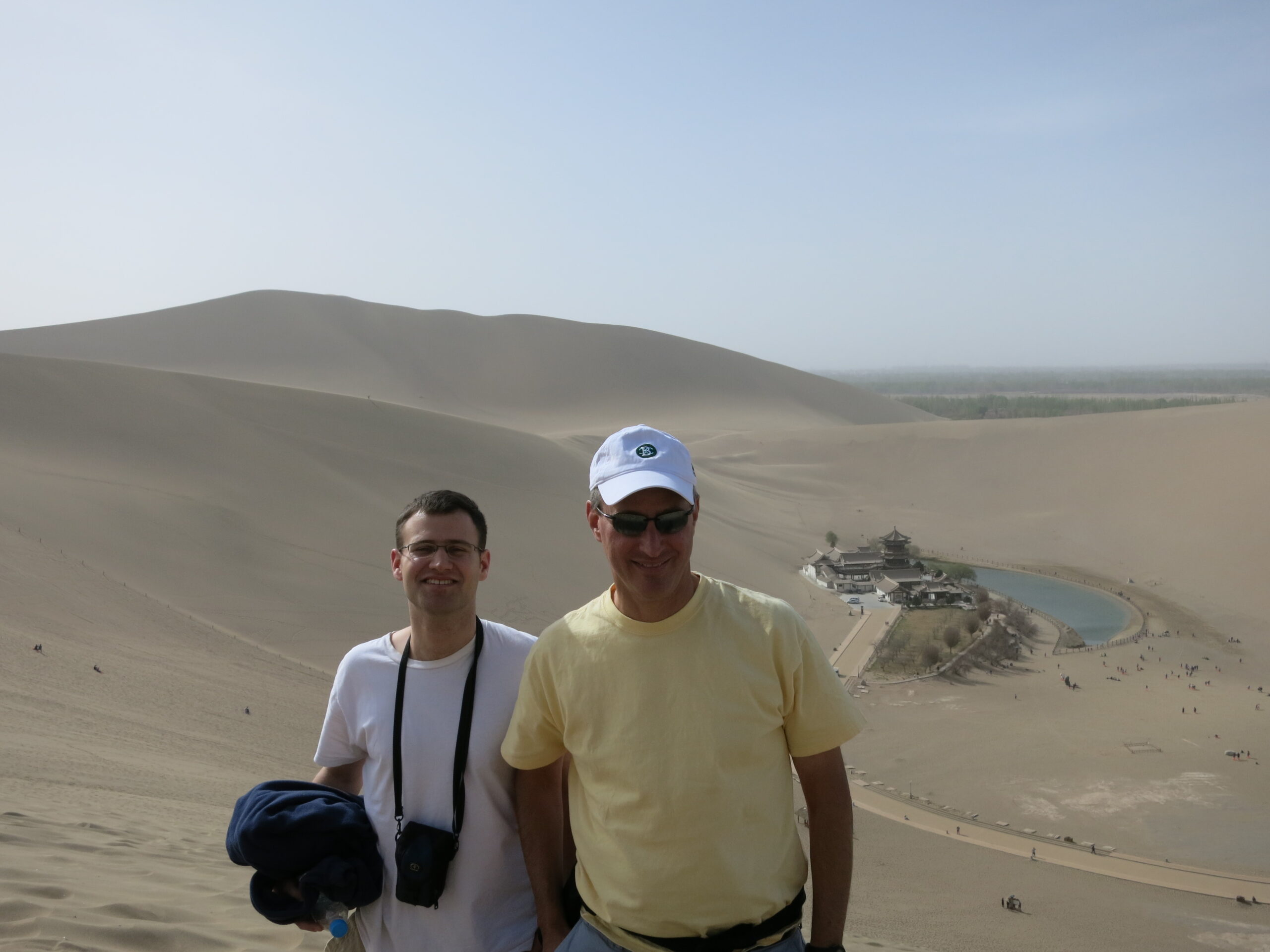
For Steve, it is a beautiful way to honor Michael’s spirit. “He was very adventurous,” Steve shares. “He would travel everywhere – he visited 27 countries in his 28 years.” Each year, it is a joy to see that spark reflected in a new young leader. “They all have an adventurous streak to them,” Steve says warmly, “which I can appreciate.”
As another Community Builder receives the award this year, it will bring Michael’s name, and his story, to a new generation of Moishe House Residents, so that from Michael’s friends in Beijing and Boston, to the award recipients and the communities they serve, Jewish young adults around the world continue to feel the legacy Michael left behind.