A Good and Sweet Transformation: Rosh Hashanah, Embark, and the Journey of Mixed-Heritage Couples
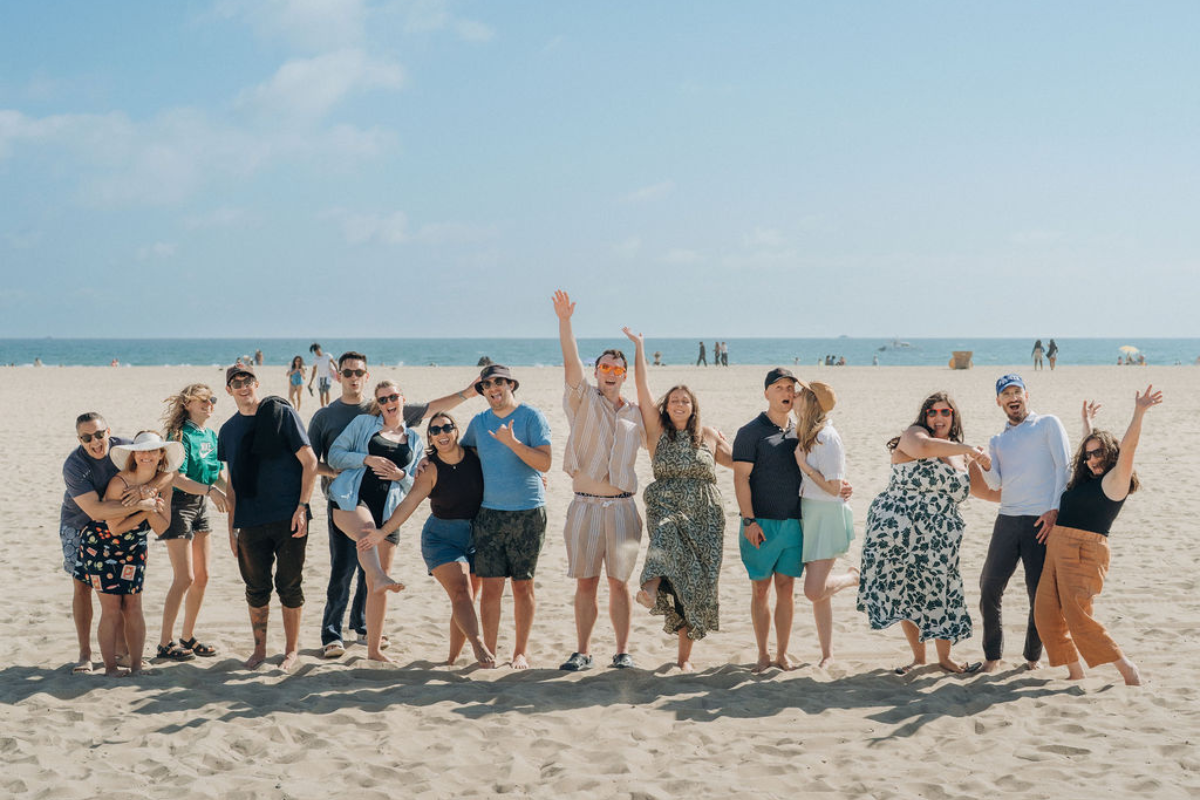
When I look back on the year 5786, Embark will stand out as one of its highlights. This past June, I had the privilege of launching my first Embark cohort in Los Angeles, and I could not have asked for a more thoughtful group of participants as, over six weeks, we explored how to build a home together as a mixed-heritage couple. We discussed collaboration and navigating disagreement, celebrating Jewish holidays and Shabbat, raising children with Judaism, and questions of Jewish identity and belonging. I also met individually with each couple to talk about their Embark experience and the next steps on their journeys.
As the program unfolded, it became clear just how deeply these couples needed a space to explore questions of identity, tradition, belonging, and partnership. Together, we created a safe space for them to wrestle with questions that often feel deeply personal and, at times, isolating. Now, though, they were doing so in community with others navigating similar journeys.
Embark is not only about offering resources and guidance, but also something more powerful: permission. Permission to ask difficult questions, permission to imagine new possibilities, and permission to begin anew.
As the month of Tishrei begins, Jews around the world are entering a season of reflection and introspection. The High Holy Days invite us to take stock of the past year and consider how we want to grow in the year ahead. It’s a season to approach with deep intention, bringing thoughtfulness to both the communal and personal practices that shape these sacred days.
Traditionally on Rosh Hashanah, we wish one another L’shanah tovah u’metukah – a good and sweet new year. Yet the Hebrew word shanah can also be understood as change. In that sense, perhaps we are also wishing one another a good and sweet transformation.
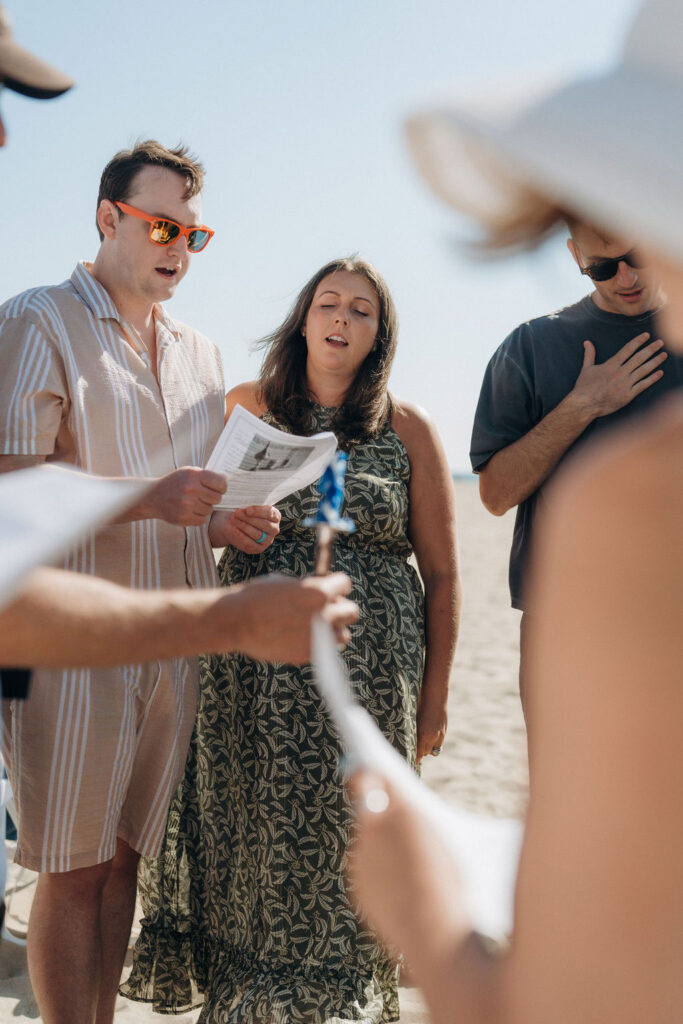
That blessing feels especially resonant for my Embark couples. By choosing to build a life together, they have the opportunity to create rituals and traditions that reflect who they are and what they value, whether that means adopting traditions from their families, adapting or blending them, or creating something new altogether. It requires reflection, honest and vulnerable communication, and intentionality, asking each person to consider which rituals matter most to them, why they matter, and how those rituals can shape the home they want to build together.
A particular highlight from the cohort was our Shabbat dinner ‘show and tell’ where each couple brought an object that they felt represented their relationship. One couple brought their Ketubah, beautifully illustrated by a dear friend; another participant brought a hanukkiah from one of their first dates. She had purchased it at Target so that her Jewish partner could celebrate Hanukkah with her on New Year’s Eve. Another couple brought a recipe book, Sabor Judío, which reflected the sweet combination of their Jewish and Mexican heritages. The stories each couple told revealed not only their deep love and commitment, but also a shared determination to honor and celebrate the fullness of their mixed-heritage identities.
During our closing circle, one participant reflected, “I didn’t know there were other couples out there like us.” Her partner shared that Embark enabled him to see his mixed-heritage relationship not as a burden, but as a blessing. Another participant started to cry as she described how meaningful it had been to find community around her mixed-heritage identity. Their honesty and vulnerability stayed with me.
I can only imagine how lonely the journey can feel for some mixed-heritage couples, particularly in Jewish spaces where they may have received messages, explicit or implicit, that they do not fully belong. Yet what I witnessed through Embark was the opposite: a group of people eager to engage with Judaism, to ask big questions, to build meaningful Jewish lives, and find their place within the Jewish people. All they needed was a community that welcomed them as their full selves, and the invitation to see Judaism not as something they need to fit into, but as something that they can share and build together.
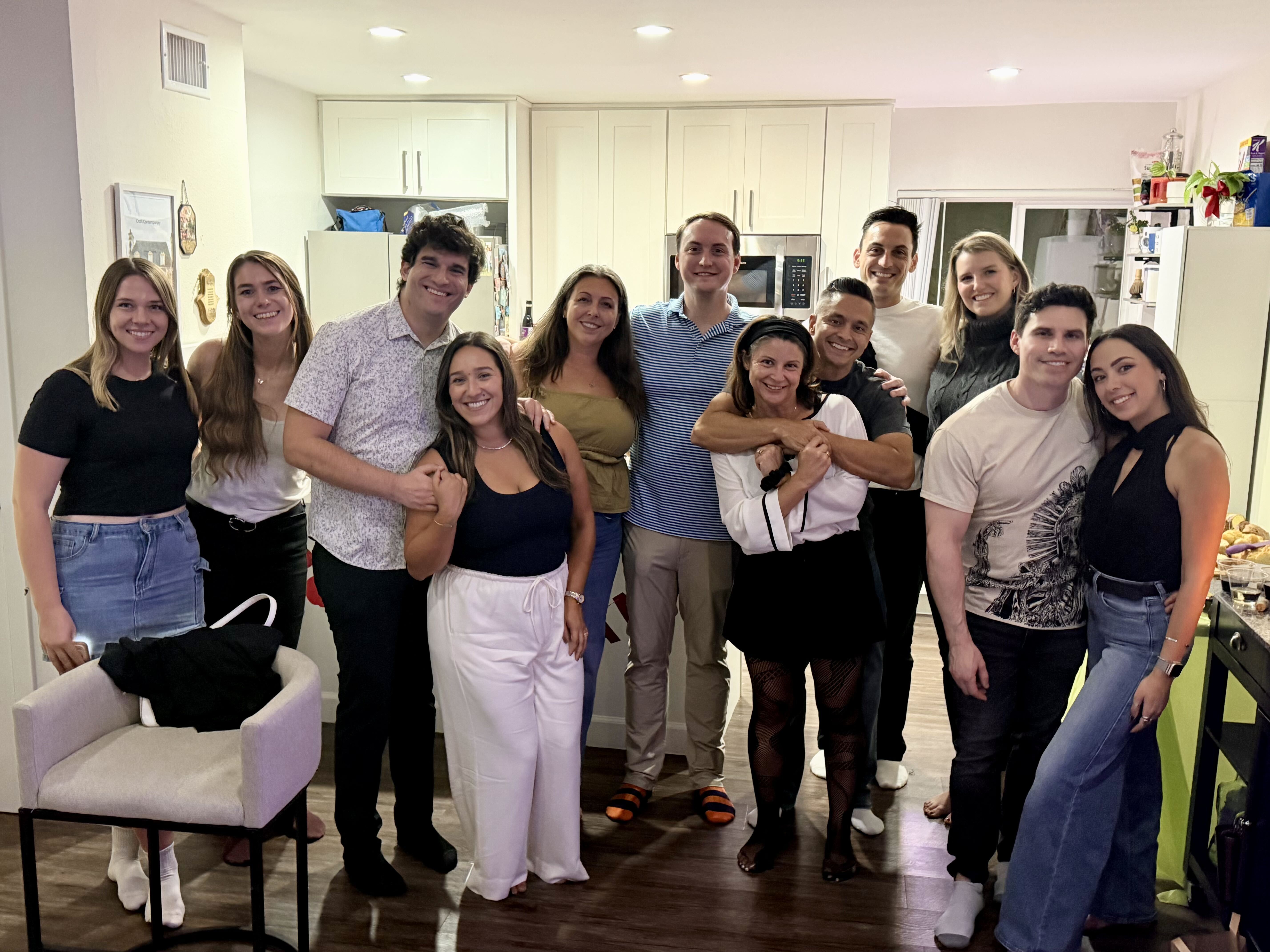
On Rosh Hashanah, we declare Hayom Harat Olam – “Today is the birthday of the world.” The liturgy invites us to imagine creation happening anew. My inaugural Embark cohort reminded me that new beginnings are not only personal; they are communal. The Jewish world is changing, and with that change comes an opportunity to reimagine what belonging can look like.
These extraordinary couples showed me a vision of a Jewish future that is expansive, welcoming, and enriched by diverse experiences and identities. It is a future in which mixed-heritage couples are not viewed as peripheral to Jewish life, but as essential participants in shaping it: embraced for all they bring, and encouraged and empowered to receive and contribute to the wisdom, traditions, and community that have sustained the Jewish people for generations.
Kein yehi ratzon – may it be so.