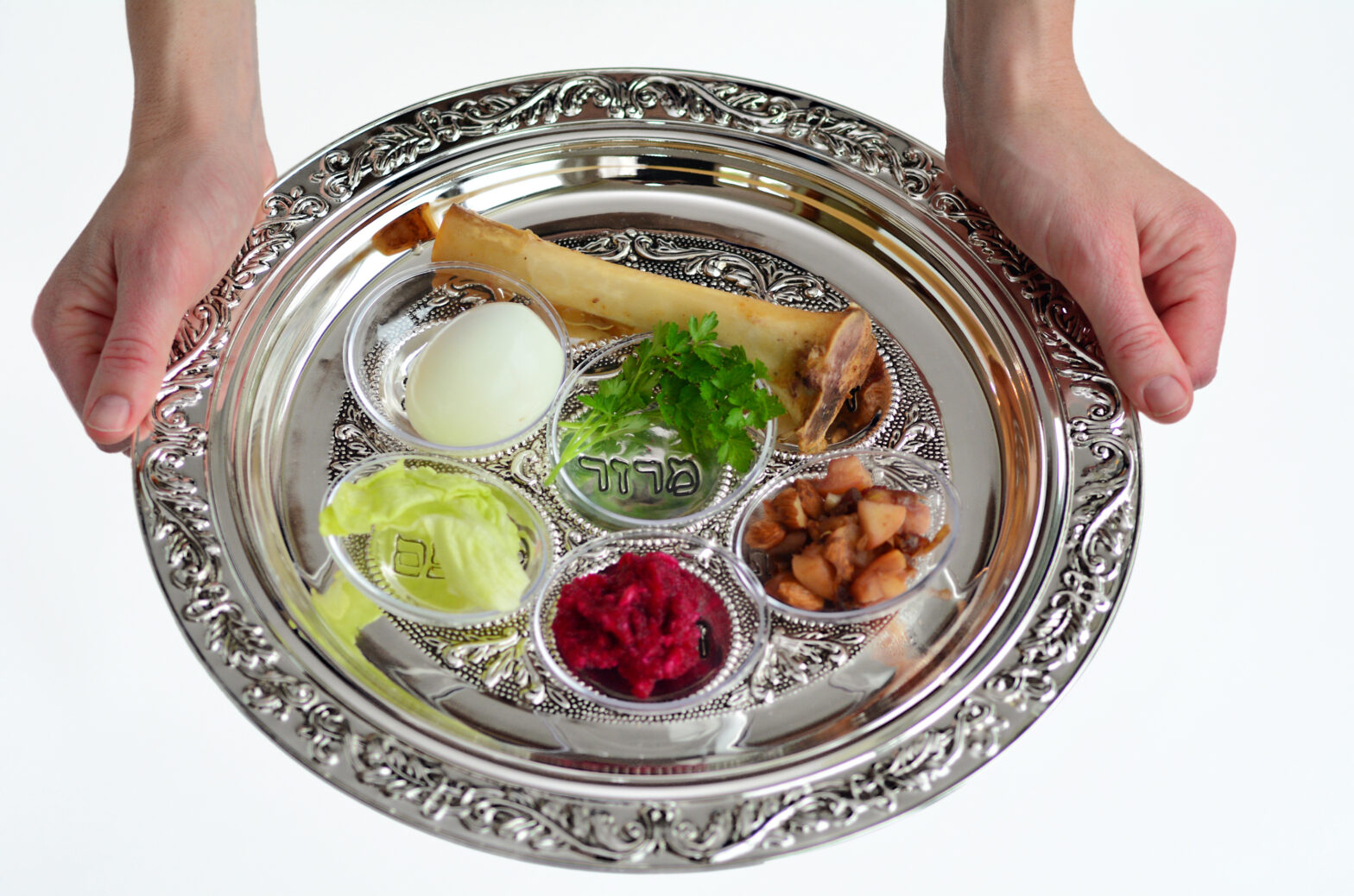
Pesach Sheni
OVERVIEW:
During the times of the Temple, Jews from all over the world were instructed to make a pilgrimage to Jerusalem and celebrate Passover there. The Torah says that if people could not make it to Jerusalem for the holiday for one reason or another, they could instead celebrate Pesach Sheni (literally “Second Passover”) a month later. Nowadays, Pesach Sheni (which in 2025 is May 11-12) is an opportunity to relive the Passover experience, and is a holiday that celebrates the opportunities presented by second chances.
Numbers 9:9-12
And God spoke to Moses, saying: Speak to the Israelite people, saying: When any party—whether you or your posterity—who is defiled by a corpse or is on a long journey would offer a Passover sacrifice to God, they shall offer it in the second month, on the fourteenth day of the month, at twilight. They shall eat it with unleavened bread and bitter herbs, and they shall not leave any of it over until morning. They shall not break a bone of it. They shall offer it in strict accord with the law of the Passover sacrifice.
וַיְדַבֵּר ה׳ אֶל־מֹשֶׁה לֵּאמֹר׃ דַּבֵּר אֶל־בְּנֵי יִשְׂרָאֵל לֵאמֹר אִישׁ אִישׁ כִּי־יִהְיֶה־טָמֵא לָנֶפֶשׁ אוֹ בְדֶרֶךְ רְחֹקָה לָכֶם אוֹ לְדֹרֹתֵיכֶם וְעָשָׂה פֶסַח לַה׳׃ בַּחֹדֶשׁ הַשֵּׁנִי בְּאַרְבָּעָה עָשָׂר יוֹם בֵּין הָעַרְבַּיִם יַעֲשׂוּ אֹתוֹ עַל־מַצּוֹת וּמְרֹרִים יֹאכְלֻהוּ׃ לֹא־יַשְׁאִירוּ מִמֶּנּוּ עַד־בֹּקֶר וְעֶצֶם לֹא יִשְׁבְּרוּ־בוֹ כְּכל־חֻקַּת הַפֶּסַח יַעֲשׂוּ אֹתוֹ׃
PROGRAM:
There are two themes associated with this holiday, which can be expanded upon with flexible programming by the organizers: A Passover do-over, and second chances. Suggestions include:
- PASSOVER DO-OVER
- Doing an actual Seder (or chocolate Seder)
- A program that incorporates aspects of the Seder: Wine tasting (drinking four cups of wine), scavenger hunt (Afikoman), trivia contest (Four Questions), etc.
- Watching The Prince of Egypt or A Rugrats Passover
- SECOND CHANCES
- This is a great opportunity for a Tikkun Olam program, especially in support of organizations that help people who need second chances, i.e. prison re-entry, addiction recovery, etc.