


Mem Moment | Dead, Arid Summer?
Rosh Chodesh Tammuz
Today is Rosh Chodesh Tammuz, marking the beginning of the month of Tammuz. Like most months on the Jewish calendar, Tammuz shares a name with a Babylonian month that was named after a Babylonian god. (Jews got these month names when they were exiled to Babylon in 586 BCE.)
The name “Tammuz” appears as the name of a foreign god in the Hebrew Bible: in Ezekiel 8:14, the prophet Ezekiel sees goes to the Temple gate, where “there sat women bewailing Tammuz.” (According to Ezekiel, this was an inappropriate activity for the entrance to the Temple of Israel’s one God.) Tammuz was a Babylonian god of vegetation, and the Babylonians believed that every year, in the early summer, the god Tammuz died and went to the underworld, so they threw him a festive funeral (and waited for his rebirth in the autumn). This festival gave the Babylonian and Jewish months of Tammuz their name.
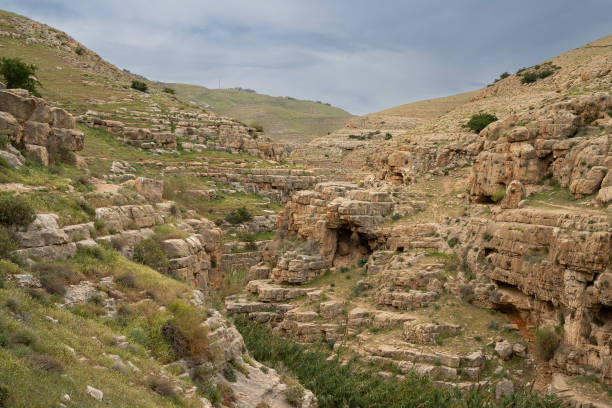
In many climates, it might seem confusing for the god of vegetation to die in June/July every year – this is when it’s the greenest outside for me! But in the climates of Babylonia, the Land of Israel, and many other places, summers are a time of rainless heat, and winters the time of rain and flowers.
It makes a sort of embodied sense, then, that the Jewish period of mourning for the Temple in Jerusalem begins during Tammuz: if we associate the early summer with the bleak, parched landscape of metaphorical death, then it’s the perfect time to remember the Jewish people’s many losses of life and both spiritual and literal exile.
Where you live, is the month of Tammuz (June-July) a time of dead brown landscapes or lush, living green ones?
If it’s a brown season, how might that accentuate the experience of mourning?
If it’s a green season, are there any ways to reconcile the lushness of summer with a sad time on the calendar?