


Mem Moment | Finding Balance with Nature
Tu BiShvat “15th of Shvat / New Year of Trees”
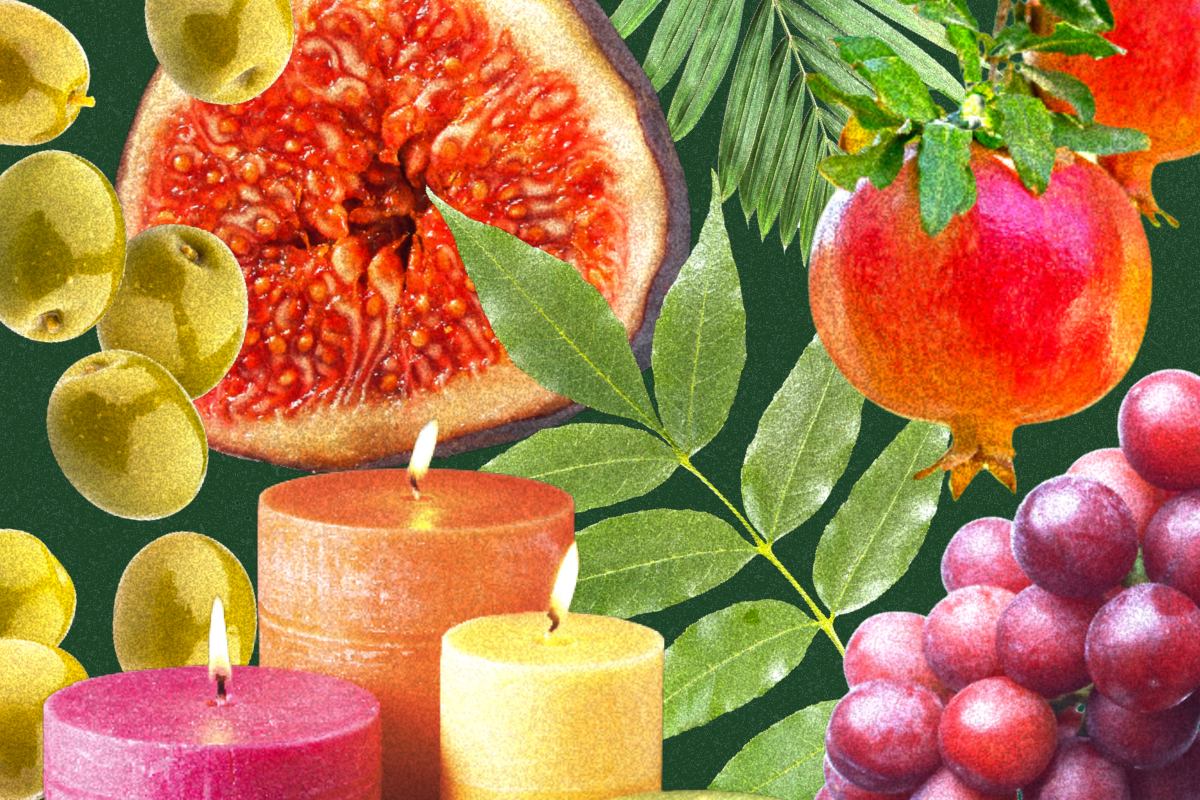
The Mishnah teaches us that Tu BiShvat serves as the cutoff for tithing fruits, a practicality in ancient agricultural law that turned it into one of the ‘four new years’ of the Jewish calendar. The Kabbalists of Safed in the 16th century revealed its mystical meaning and developed a Tu BiShvat seder that sought to bridge the divine and the physical world through eating fruits and drinking wine.
Tu BiShvat is also an opportunity to reflect on our relationship with nature and the world around us. There is often a tension between our dependence on nature as a source of nurture and our mastery over the natural world (found in the first chapter of the Torah, in Sefer Bereshit – Book of Genesis) and the command to guard the natural world, i.e. respect it and engage in sustainable practices (which we can derive from chapter 2). In fact, our rabbis saw the biblical precept to refrain from harming trees when laying siege to an enemy city (Dvarim/Deuteronomy 20:19) as a stern prohibition against unnecessary waste and destruction.
Kohelet Rabbah teaches us that when Adam was created, God showed him every tree and plant and told him: “See how beautiful are My works… Make sure you do not destroy my world – for if you do, there will be none to come after you to repair it.” Or in the words of Rabbi Jonathan Sacks, “Judaism’s ecological imperative is a delicate balance between ‘mastering and subduing’ and ‘serving and protecting’ it. The general principle is that we must see ourselves as the guardians of the world, for the sake of future generations.”
How do we find this balance in our relationship with nature? And how do we honor trees and all that nature provides for us on this Tu BiShvat?