


Mem Moment | Vayikra: A Tool-Kit for Repair
Parashat Vayikra “And God Called”
This week we begin the book of Vayikra, Leviticus, which opens with a very detailed and gory description of the different sacrifices that the Israelites would bring to the priests in the Tabernacle. For many people, this book of the Torah is the most challenging, strange and inaccessible of all the books. Leviticus dryly and meticulously details the laws in the Torah, ranging from the laws of sacrifices, to kashrut and skin afflictions, to the regulations around purity and impurity, to laws detailing boundaries in relationships. In this book, we find laws which have been used for millennia to justify homophobia, but we also find laws telling us how to care for others and how to build a just society. I was blessed in rabbinical school to learn the book of Leviticus from Rabbi Tamara Eskenazi, who taught me how to peel back the layers to find the beauty of Leviticus hidden inside the details.
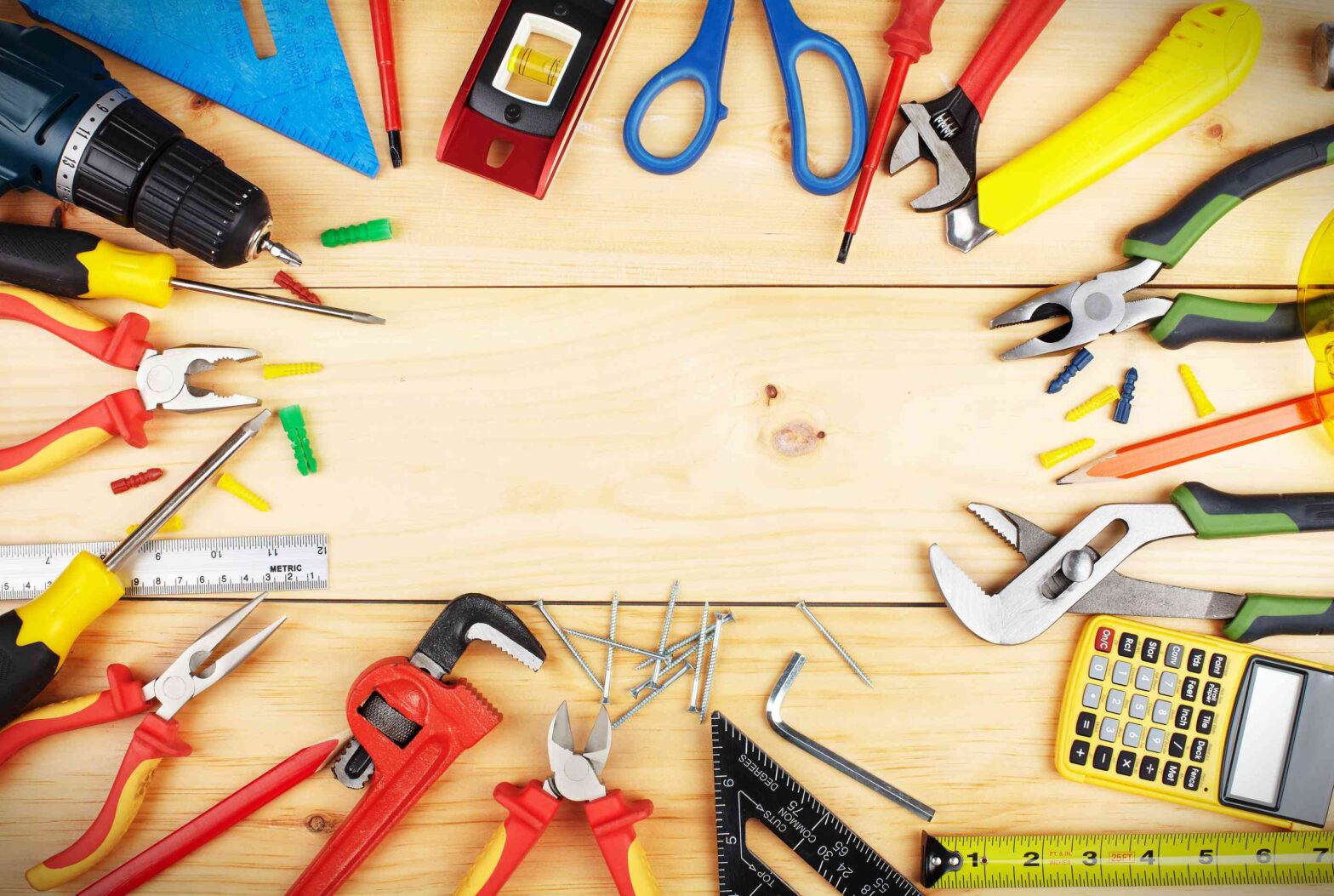
Rabbi Eskenazi teaches that the book of Leviticus is our tool-kit to repair things when they go wrong. In contrast to Israel’s neighbors who viewed impurity as coming from external sources, the sacrificial system detailed in this parashah and in the book of Leviticus locates the source of impurity internally– namely, human actions. Attributing impurity to internal sources means that just as things and relationships can be damaged as a result of human actions, so too can they be fixed through human actions. In biblical times, the sacrifices served as this act of repair: depending on the nature of the transgression, our ancestors would bring animals to the priests, who would perform the sacrifice so that it would be pleasing to God. In doing so, the Israelites would be forgiven for their mistakes. While we no longer have priests and sacrifices to repair our mistakes, we learn from Parashat Vayikra that each of us has the power to fix things when we make mistakes. The process of repair requires us to come forward and take responsibility through both words and actions. May our Torah this week give us the courage and guidance to mend the things in our lives that are broken.
What tool-kit do you have to guide you when you make mistakes?