Mem Moment | What Kind of Leader Are You?
Parashat Korach
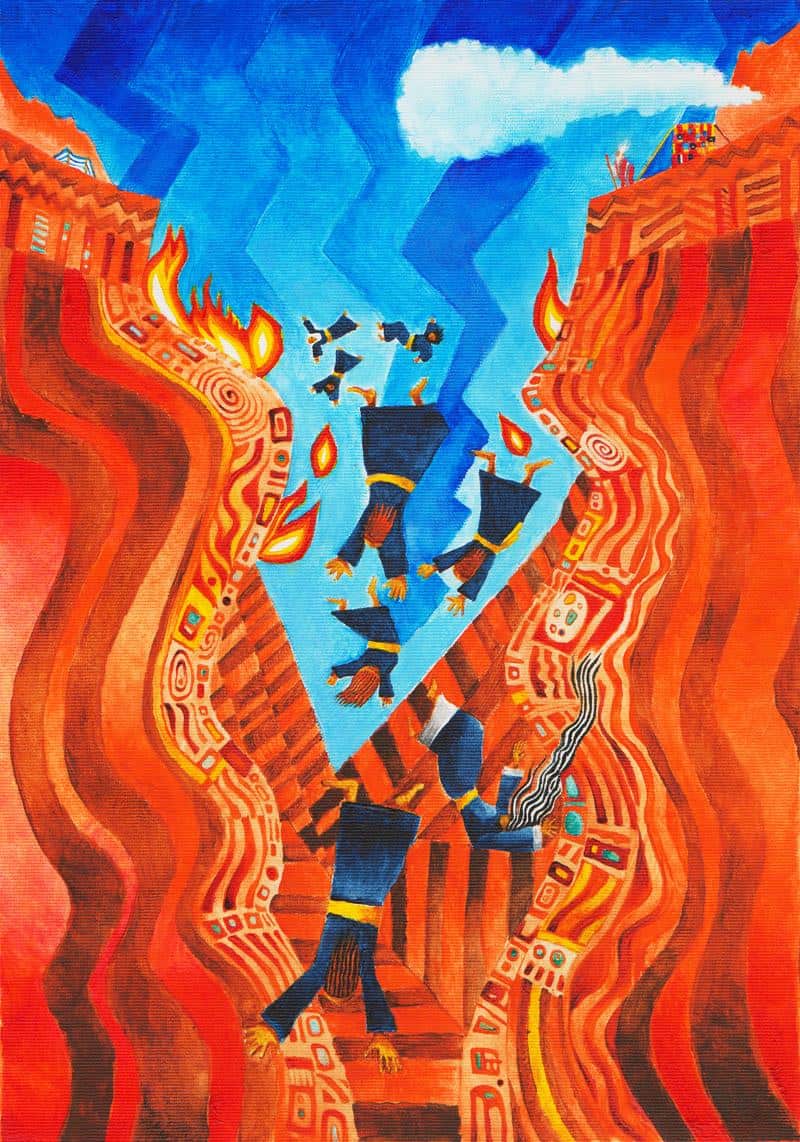
Korach was talented, wealthy, and well-connected, a man of real standing among his people. Yet none of it was enough. Driven by envy of a relative who had received an honor he felt he deserved; he launched a rebellion against Moses and Aaron and dressed it up as a fight for equality. “The entire congregation is holy — so why do you raise yourselves above the people?” (Bamidbar 16:3). It sounded principled. It was personal. Rashi cuts to the heart of it: Korach’s eye misled him. He could see greatness all around him, but he was blind to his own flaws — and that half-vision destroyed him.
Moses’ response couldn’t have been more different. When attacked publicly, he didn’t fire back. He fell on his face. He reached out to Korach privately. He tried, more than once, to find a way through. And when that failed, he turned to God. This is the Torah’s portrait of true leadership: not the loudest voice or the sharpest elbows, but a profound orientation toward something bigger than yourself. Moses never wanted the position for its own glory, and that’s precisely what made him worthy of it.
Parashat Korach holds up a mirror. Every one of us leads somewhere; in our families, our workplaces, our communities. And every one of us faces Korach’s temptation: letting the need for recognition quietly shape what we call our principles. The parashah asks us a hard question: Am I fighting for what’s right — or for what makes me feel important?
Korach’s story ends in the ground. Moses’ is still being told. May we have the clarity to know the difference.