


Mem Moment | When Your World Shatters
Parashat Toldot “Generations”
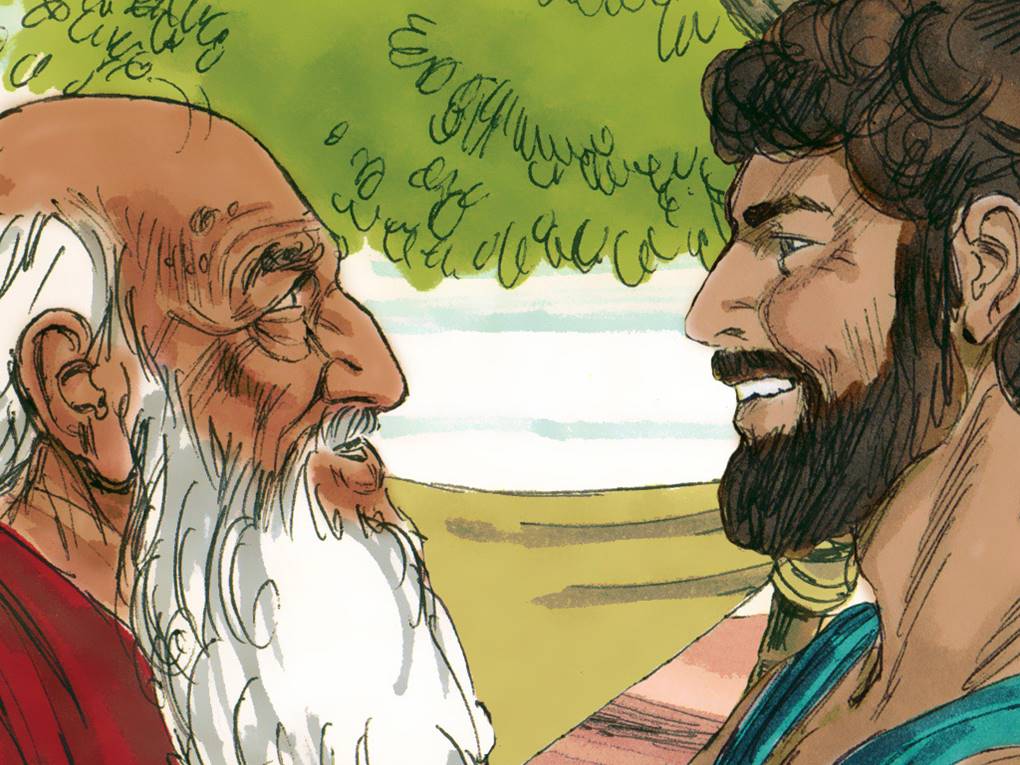
So much of the story of Parashat Toldot hinges on the idea of sight – what is seen, what is unseen, what is hoped to be seen. This parashah is ripe with tension. Isaac and Rebecca have two sons, the elder Esau, loved by Isaac, and the younger Jacob, loved by Rebecca (Genesis 25:28). Though the biblical narrative (see Genesis 25:27 and Genesis 26:34-35) doesn’t portray Esau in the most positive light (an interpretation furthered by many classic Rabbinic commentaries – see Bereshit Rabbah 65:1 for one of the harshest), Isaac doesn’t seem to interact with Esau as if he’s a character of disrepute. Indeed, as he ages, Isaac expresses his hope of bestowing on Esau (and not Jacob) his “soul’s blessing” before death. Are we to imagine that Isaac is incapable of seeing Esau as the son less equipped to carry on his mantle?
Perhaps, a close read of the text offers a different explanation. Isaac sees Esau (and in contrast to Jacob) for the person he has become. Esau won’t do good for its own sake, but rather requires additional motivation. As a parent yearning for reclamation, Isaac hopes that he can save Esau and help him develop into a good person. As such, Isaac crafts a quid pro quo type learning moment for Esau – if you will prepare and bring me the food that I love, then I will be able to reward you with a blessing. In other language, though Esau may never be the pure soul of Jacob, with the right motivation, perhaps Esau can be directed and taught to do good (Genesis 27:1-4). In contrast, Rebecca, does not see her son Esau as redeemable and moves to ensure that Jacob supplants Esau in receiving Isaac’s blessing. Though Jacob demurs, Rebecca insists, ultimately enlisting him in an act of subterfuge to steal Isaac’s blessing (Genesis 27:5-17).
Interestingly (and somewhat separately), when Isaac belatedly uncovers this ruse his emotional reaction is not one of anger or joy, but rather the text explains: וַיֶּחֱרַד יִצְחָק חֲרָדָה גְּדֹלָה עַד־מְאֹד, Isaac was seized with a very violent trembling (Genesis 27:33). Isaac’s world is shattered. While he knew that Esau may not be good, he had thought Jacob to be. When he discovers that Jacob too is less pure than he had thought, Isaac is broken. If neither Jacob nor Esau is a good person who is left to carry on Isaac’s legacy and serve as the patriarch of the nascent Jewish people. Amidst a narrative of parents who seem to only see the potential for good in a single child (God with Cain/Able, Abraham with Isaac/Ishmael, Rebecca with Jacob/Esau), Isaac stands as a model for more egalitarian relationships in which people not be cast into the singular role of the wicked and unredeemable but rather be seen as people of inherent value with the potential to grow their good. As we enter this Shabbat, may we aspire to follow Isaac’s example – opening ourselves to see people not as irredeemably wicked but as true images of God with the potential to improve.