


Mem Moment | Your Moral Intuition
Parashat VaYera “And [God] Appeared”
Parashat VaYera (my b’mitzvah parashah!) is packed full of some of the most iconic moments in the lives of Avraham and Sarah. Isaac is born, suddenly making Sarah feel threatened by the presence of another child born to Avraham. Sarah tells Avraham to expel Hagar, which – with God’s consent – he does. God threatens to destroy the cities of Sodom and Gomorrah which – despite Avraham’s protestation – God does. And God tells Avraham to sacrifice Isaac which – despite Avraham not protesting at all – God does not follow through on.
While we may think that our biblical ancestors are here to teach us exactly how to behave, in this parashah each of them – even God – acts in ways that feel morally confusing. Shouldn’t Avraham have said “no” to Sarah? How could God – so soon after destroying the world through a flood – want to destroy a city again? And how could Avraham, having just fought so hard for a son, so quickly condemn him to death?
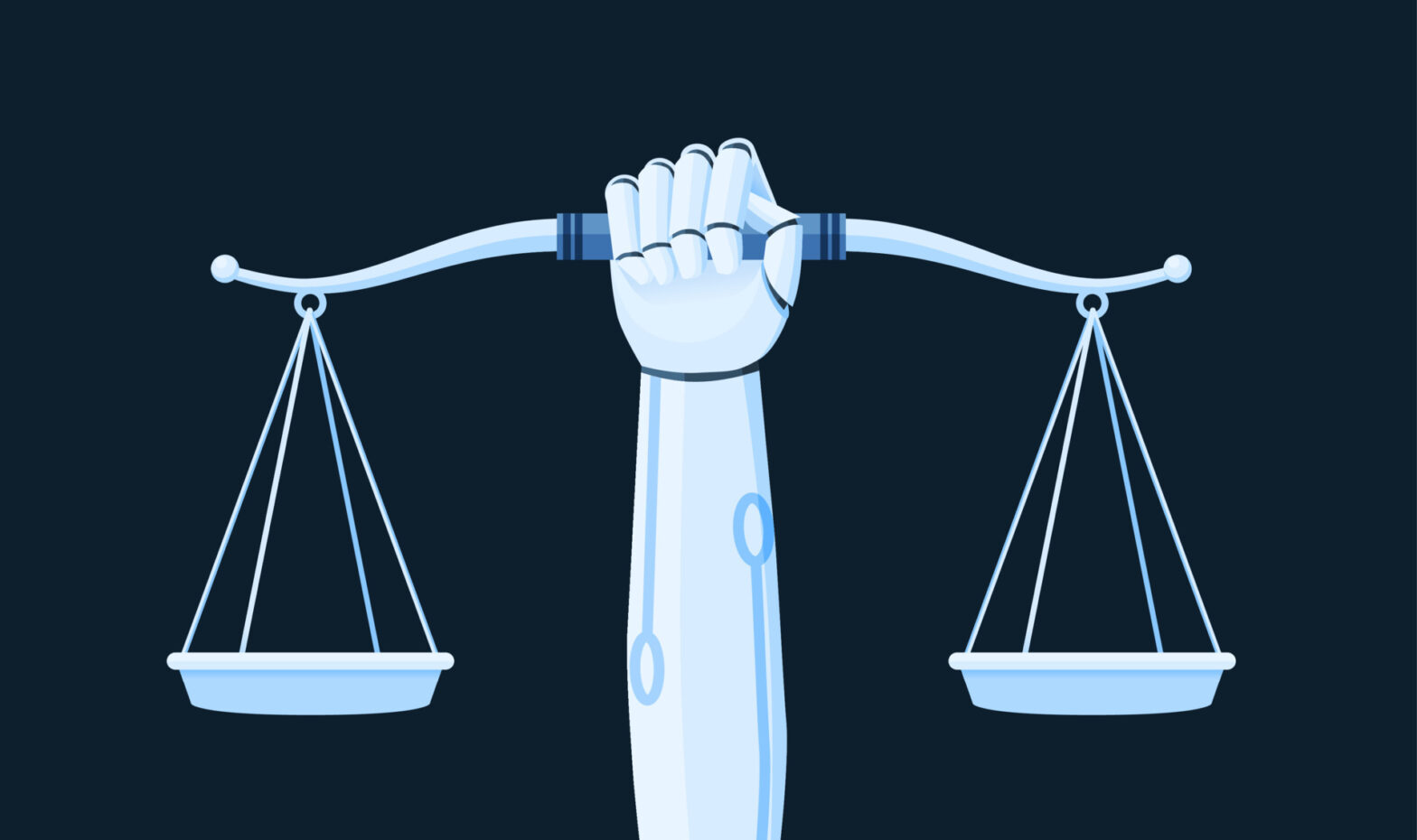
In Talmud, there’s a legal concept called svara which teaches that our moral intuition – the gut feeling we have that something is wrong or right – is just as important in determining law as the words of the Torah themselves. This parashah pushes us to examine our own svara – how would we have behaved in each of these situations? What do we think is right or wrong? By seeing our ancestors both as moral exemplars and as complex, flawed individuals, and by seeing, in different moments, each of them wrestling with right and wrong, and arguing across lines of power, we learn to listen to our moral voices, advocate for what we believe in, and stand up for ourselves even against God.
In our deeply morally complex world, how are you tuning into your moral intuition? How are you wrestling with right and wrong, even in the face of great powers?