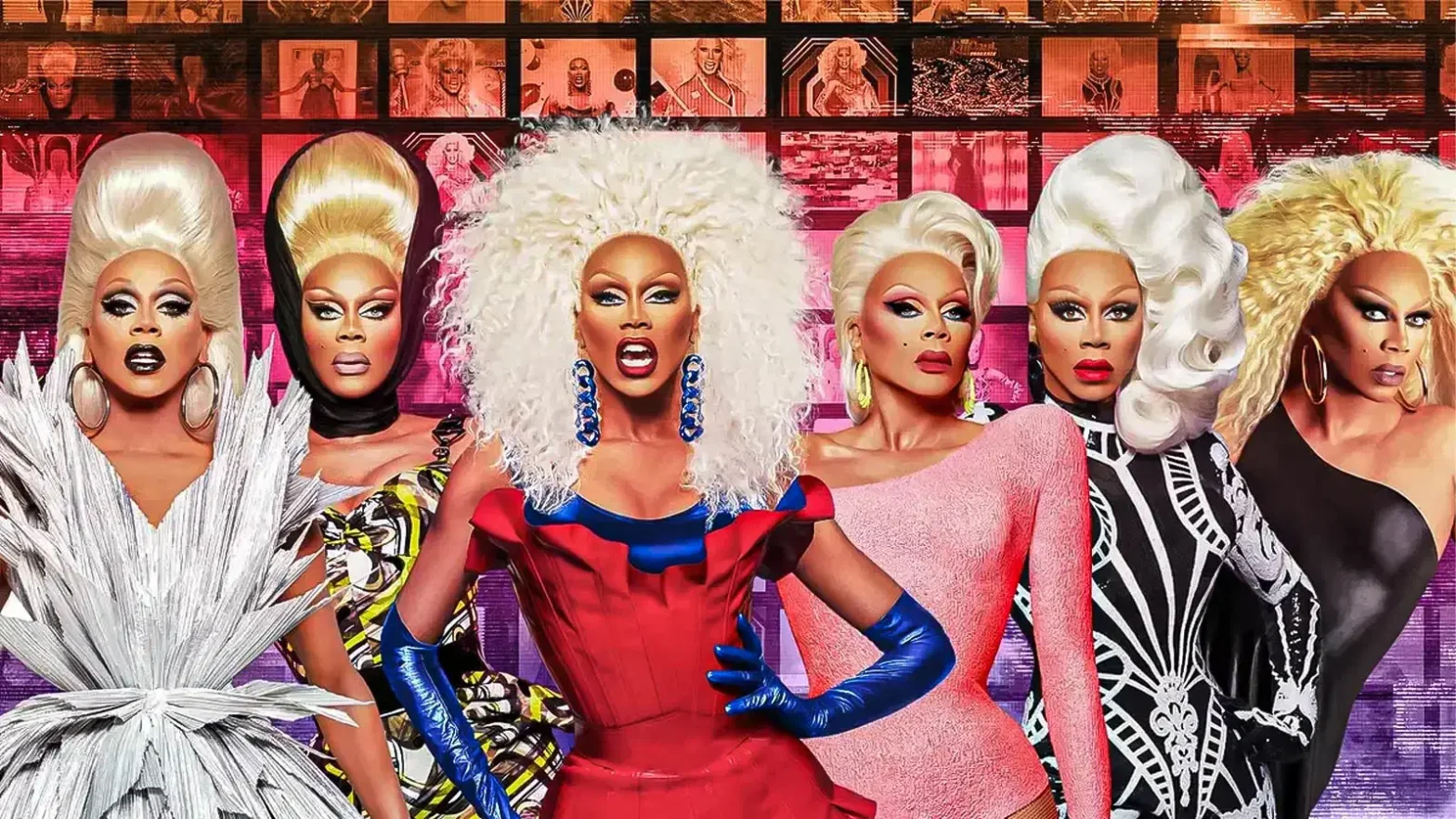
Parashat Ki Teitzei includes a verse that gets used to police individuals’ gender presentation. This source sheet will help you re-evaluate that verse in light of our more progressive understanding of gender and clothing while attending/hosting a Drag Brunch (or other drag event!).
Deut. 22:5
דברים כ״ב: ה
Judah ben Tabbai said: A woman must not put on man’s apparel, nor shall a man wear woman’s clothing; for whoever does these things is abhorrent to your God יהוה.
THE APPAREL OF A MAN SHALL NOT BE ON A WOMAN — so that she look like a man, in order to consort with men, for this can only be for the purpose of adultery (unchastity). NEITHER SHALL A MAN PUT ON A WOMAN’S GARMENT in order to go and stay unnoticed amongst women…This implies that the Torah forbids only the wearing of a garb that leads to abomination (unchastity)
How does Rashi’s interpretation change the meaning of the text?
Why does Rashi think that this verse exists?
How does this reading change our understanding of this text?
Shulchan Aruch, Orach Chayim 696:8
שולחן ערוך, אורח חיים תרצ״ו
The custom of wearing masks on Purim, and men wearing women’s dresses and women wearing men’s garments, is totally permitted because of its innocent and joyful purpose
מה שנהגו ללבוש פרצופים בפורים וגבר לובש שמלת אשה ואשה כלי גבר אין איסור בדבר מאחר שאין מכוונין אלא לשמחה בעלמא
Why is wearing clothing designed for other genders permitted on Purim?
How does this change how we read our initial ban on wearing clothing designed for another gender?
What if wearing clothing designed for other genders is done outside of Purim for an innocent and joyful purpose? Would this change the rule in Deuteronomy?
Gender identity and sexual identity are different, independent, and critical to distinguish in conversations about Jewish law and tradition. For those who choose to shut down conversations about these issues by quoting Scripture, Deuteronomy 22:5 is to gender expression what Leviticus 18:22 is to homosexuality. The verse states: “A man’s garment shall not be on a woman, nor shall a man wear a woman’s garment, for anyone who does so is an abomination of Hashem.” But as I understand it, this verse is the very source that not only permits transgender Jews to wear clothing that supports their gender identity, but also arguably obligates them in doing so….By rejecting the right of transgender Jews to wear clothing that most supports their gender identity in religious spaces, it is not only a communal failure of our responsibility to provide sanctuary for all of G-d’s children, but also a denial of the truth of the Torah itself.
How does Rabbi Mike Moskowitz reinterpret this verse?
Do you agree with his reading?
What potential consequences – both positive and negative – might there be to requiring transgender individuals to wear clothing that reflects their full gender identity?
Each and every soul is created in the multifaceted image of the Creator. When we try to conceal that uniqueness, we cause ourselves pain. And when we ask others to obscure themselves, we cause harm to them. The great majority of [parashah Ki Teitze] is concerned with the minute details of preventing harm. The lines before our verse teach that if we see that someone’s donkey has fallen down, we are required to help that person lift the animal up. The verse immediately following instructs us never to hurt a mother bird as we are collecting her eggs. And the very next verse commands us to build a guardrail, or parapet, around the roof of our houses, to prevent anyone from falling off. The verse about what to wear is nestled amongst mitzvot that guide us towards exquisite levels of empathy and gentleness towards all of creation.
What does the greater context of the verse about clothing in Deuteronomy add to our understanding of our verse about clothing?
How might we rewrite Deut. 22:5 today if the goal is, as Rabbis Kukla and Zellman argue, to be guided towards empathy and gentleness?