Arts and Culture
Making Pottery Class Jewish
INTRODUCTION:
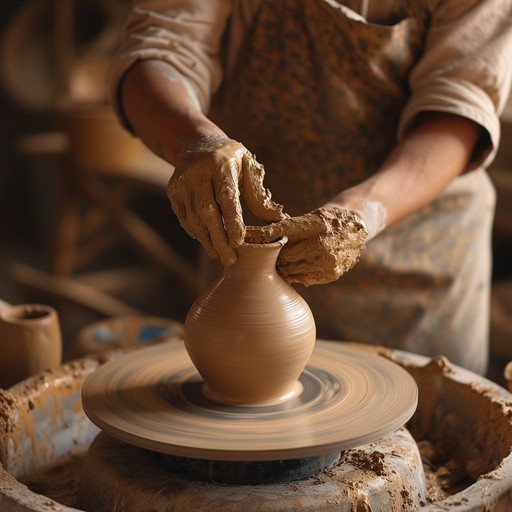
Clay is one of our oldest physical metaphors for creation, vulnerability, and history. This resource offers a few different suggestions for Jewish-inspired activities you can mix-and-match to create a program that works for your community.
THINGS TO MAKE:
- Jewish ritual objects: hand-built mezuzot, menorahs, candle holders, cups for handwashing or kiddush
- Mini golems
- Animal Figurines
- DIY Judean pillar figurines
- Anything else your heart desires!
THINGS TO LEARN:
- Begin your studio time with this clay meditation using Jewish text and music
- Read Erica Brown’s retelling of a Talmudic story about beauty and ugliness (Taanit 7a). Then discuss the following reflection questions:
- In a culture hyper-focused on external aesthetics and curation (Instagram, physical appearance), how do we cultivate our “inner vessel”?
- Why does raw, unrefined clay sometimes hold more spiritual utility than gold?
- What lessons could this story offer us as artists?
- Read about the Jewish engagement ritual of plate-breaking. Then discuss the following questions:
- Why do you think Jewish tradition encourages us to include destruction in a ritual that’s primarily joyful? What does this say about how we should enter major life commitments?
- Would you include this ceremony at your engagement party?
- What is a choice or commitment you’ve made that felt like “breaking the plate” — a beautiful, permanent threshold you can never walk back through?
- Read or listen to the story of the Golem. Then discuss the following questions:
- The Golem was created out of a desperate need for protection, but its creators quickly lost control of it. Have you ever experienced this kind of thing, where your creation/choice started to feel out of control?
- In modern English slang, “golem” can mean a stupid and clumsy person, a blockhead, or an automaton. Do these meanings reflect the original story?
- Do you see the golem story as happy or sad? Hopeful or tragic?
- Learn about ancient Judean pillar figurines then discuss the following questions:
- Are you surprised to learn about these figurines? What do you think they represented?
- Why do you think that these figurines were banned by Torah?
- What abstract concept do you want to “cradle” or bring abundance to in your modern home (e.g., rest, mental health, hospitality, boundaries)?
- Learn about animal symbolism in Judaism and then create your own animal figurines inspired by ancient Israelite animal figurines
- Archaeologists found Iron Age cooking pots in Judah with a simple “X” incised on the handle. This likely represented the Paleo-Hebrew letter Tav, standing for Terumah (a dedicated offering for the Temple). Print out copies of Paleo-Hebrew compared to other alphabetic symbols. After creating their pottery, have participants use a toothpick to carve a single letter or symbol onto their vessel’s handle or base to add a modern intention for its use.