


Israel, Jewish Holiday, Ritual
October 7th Commemoration Program
INTRODUCTION:
October 7th initiated a period of Jewish/world history marred by violence, pain, and suffering. This reality (sadly) continues to this day. October 7th remains a day of importance in Jewish history which is appropriate to mark and commemorate.
Within the Jewish tradition, the traditional words recited upon hearing of a death is בָּרוּךְ דַּיַּין הָאֱמֶת (baruch dayyan ha’emet), Blessed is the Judge of Truth. We respond to loss with blessing, looking to both mourn and build towards a brighter future.
MATERIALS:
- Seeds
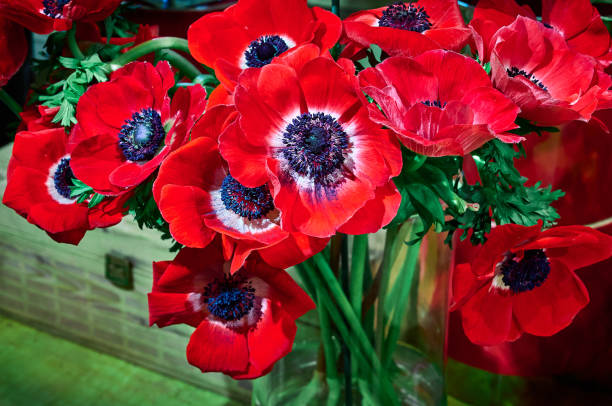
- Red Anemone (כְּלָנַת – k’lanat) is Israel’s national flower blooms annually in the Gazan Envelope
- Kalanit (Red Anemone) Seeds 100 count
- Pollinator garden – plant native plants that are local to your community
- Be sure to check your local seed libraries, community gardens, or local plant society for seeds!
- For US communities – if you are planting into a garden or the ground, request free seeds here
- Red Anemone (כְּלָנַת – k’lanat) is Israel’s national flower blooms annually in the Gazan Envelope
- Pots
- 6 in. Terra Cotta Clay Pot
- Or use up-cycled pots (jars, bottles, etc.)
- Soil
- Sharpies
PROGRAM OUTLINE (~90 minutes):
- Plant your choice of sapling, flowers, herbs within a decorated flower pot or flower bed commemorating the events of October 7, 2023.
- Explore the texts below
- Begin planting
- Engage in conversation while planting using the “Conversation Prompts” or your own questions
- Remember to water your plant
Jewish Texts Connected to Planting
| Deuteronomy 20:19 | דְּבָרִים כ’:י״ט |
| When in your war against a city you have to besiege it a long time in order to capture it, you must not destroy its trees, wielding the ax against them. You may eat of them, but you must not cut them down. Are trees of the field human to withdraw before you into the besieged city? | כִּי־תָצוּר אֶל־עִיר יָמִים רַבִּים לְהִלָּחֵם עָלֶיהָ לְתָפְשָׂהּ לֹא־תַשְׁחִית אֶת־עֵצָהּ לִנְדֹּחַ עָלָיו גַּרְזֶן כִּי מִמֶּנּוּ תֹאכֵל וְאֹתוֹ לֹא תִכְרֹת כִּי הָאָדָם עֵץ הַשָּׂדֶה לָבֹא מִפָּנֶיךָ בַּמָּצוֹר׃ |
- Why does the Torah issue an injunction against destroying trees while at war?
- What “memory” do trees offer/have (i.e. of what do they remind the attacker, or what story might a tree tell of the wars fought in its existence?)
- The text compares trees to people. How else might a tree serve as a reminder of a person?
| Taanit 23a | תַּעֲנִית כ״ג |
| The Gemara relates another story about Ḥoni HaMe’aggel. Rabbi Yoḥanan said: All the days of the life of that righteous man, Ḥoni, he was distressed over the meaning of this verse: “A song of Ascents: When the Lord brought back those who returned to Zion, we were like those who dream” (Psalms 126:1). He said to himself: Is there really a person who can sleep and dream for seventy years? How is it possible to compare the seventy-year exile in Babylonia to a dream? One day, he was walking along the road when he saw a certain man planting a carob tree. Ḥoni said to him: This tree, after how many years will it bear fruit? The man said to him: It will not produce fruit until seventy years have passed. Ḥoni said to him: Is it obvious to you that you will live seventy years, that you expect to benefit from this tree? He said to him: That man himself found a world full of carob trees. Just as my ancestors planted for me, I too am planting for my descendants. | אָמַר רַבִּי יוֹחָנָן: כָּל יָמָיו שֶׁל אוֹתוֹ צַדִּיק, הָיָה מִצְטַעֵר עַל מִקְרָא זֶה: ״שִׁיר הַמַּעֲלוֹת בְּשׁוּב ה׳ אֶת שִׁיבַת צִיּוֹן הָיִינוּ כְּחֹלְמִים״, אָמַר: מִי אִיכָּא דְּנָיֵים שִׁבְעִין שְׁנִין בְּחֶלְמָא? יוֹמָא חַד הֲוָה אָזֵל בְּאוֹרְחָא, חַזְיֵיהּ לְהָהוּא גַּבְרָא דַּהֲוָה נָטַע חָרוּבָא, אֲמַר לֵיהּ: הַאי, עַד כַּמָּה שְׁנִין טָעֵין? אֲמַר לֵיהּ: עַד שִׁבְעִין שְׁנִין. אֲמַר לֵיהּ: פְּשִׁיטָא לָךְ דְּחָיֵית שִׁבְעִין שְׁנִין? אֲמַר לֵיהּ הַאי גַּבְרָא: עָלְמָא בְּחָרוּבָא אַשְׁכַּחְתֵּיהּ. כִּי הֵיכִי דִּשְׁתַלוּ לִי אֲבָהָתִי — שְׁתַלִי נָמֵי לִבְרָאִי. |
- What type of world are we leaving for future generations?
- What are the stories/memories/experiences that we choose to pass on to the future?
- How do we take agency around our future?