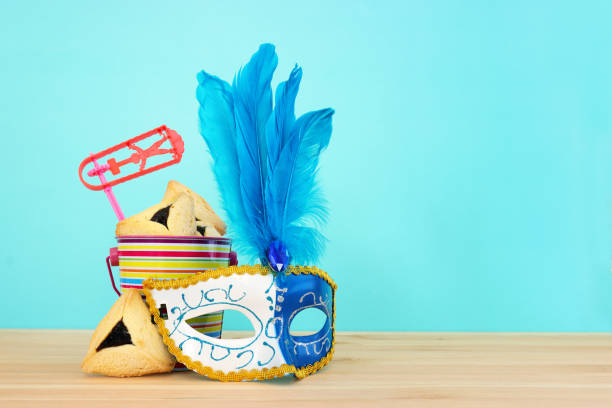
Purim Costumes Throughout the Years
Purim is a holiday for festive joy. The Four mitzvot on Purim are: hearing the Megillah, enjoying a festive meal, sending gifts to friends (Mishloach Manot), and giving Tzedakah (Matanot l’evyonim).
This text from the Book of Esther teaches of the importance of making Purim a festival of feasting and merrymaking.
לְקַיֵּם֮ עֲלֵיהֶם֒ לִהְי֣וֹת עֹשִׂ֗ים אֵ֠ת י֣וֹם אַרְבָּעָ֤ה עָשָׂר֙ לְחֹ֣דֶשׁ אֲדָ֔ר וְאֵ֛ת יוֹם־חֲמִשָּׁ֥ה עָשָׂ֖ר בּ֑וֹ בְּכׇל־שָׁנָ֖ה וְשָׁנָֽה׃ כַּיָּמִ֗ים אֲשֶׁר־נָ֨חוּ בָהֶ֤ם הַיְּהוּדִים֙ מֵאֹ֣יְבֵיהֶ֔ם וְהַחֹ֗דֶשׁ אֲשֶׁר֩ נֶהְפַּ֨ךְ לָהֶ֤ם מִיָּגוֹן֙ לְשִׂמְחָ֔ה וּמֵאֵ֖בֶל לְי֣וֹם ט֑וֹב לַעֲשׂ֣וֹת אוֹתָ֗ם יְמֵי֙ מִשְׁתֶּ֣ה וְשִׂמְחָ֔ה וּמִשְׁלֹ֤חַ מָנוֹת֙ אִ֣ישׁ לְרֵעֵ֔הוּ וּמַתָּנ֖וֹת לָֽאֶבְיֹנִֽים׃
Mordecai recorded these events. And he sent dispatches to all the Jews throughout the provinces of King Ahasuerus, near and far, charging them to observe the fourteenth and fifteenth days of Adar, every year— the same days on which the Jews enjoyed relief from their foes and the same month which had been transformed for them from one of grief and mourning to one of festive joy. They were to observe them as days of feasting and merrymaking, and as an occasion for sending gifts to one another and presents to the poor. (Esther 9:22)
For many, choosing to wear a costume enhances the feasting and merry making of Purim. Mentions of donning costumes on Purim go back many centuries. A large part of that discussion related to whether on Purim you could dress as a different gender (a seeming violation of the law in Deuteronomy 22:5)? A 15th century responsum from Rabbi Judah Minz, a German rabbi who fled a pogrom to serve a congregation in Italy wrote on the very topic…
“In his responsum, Rabbi Minz quotes the 11th century German rabbis Eliakim ben Meshullam and his son-in-law the Riba writing that “from the time of the reading of the Megillah until the conclusion of the Purim meal…such unruly behavior will only last two nights and one day. So long as they do not engage in pillaging or have any intent of committing a licentious act and so long as the communal administrators do not disapprove of their actions, they should not be called before before the rabbinical court, for whatever they did was in the spirit of Purim”.” (JCC Newsletter – Vayikra/Shabbat Zachor – Jewish Community of Japan)
Rabbi Minz advocated for allowing unruly behavior if it wasn’t too out of control, and didn’t last too long –for it was done in the spirit of Purim.
Rabbi Joseph Karo in the Shulchan Aruch, Orach Chayim, referenced Rabbi Minz’s responsum and asserted that assuming it was locally permitted the wearing of masks, and crossdressing would be acceptable on Purim as they are both innocent and joyful.
One may marry a woman on Purim, RMI: both on the fourteenth and on the fifteenth. All the more so, one may redeem one’s firstborn (Tosfot to ch. 1 of Moed Qatan). The custom of wearing masks on Purim, and of crossdressing, is totally permitted because of its innocent and joyful purpose, as is the wearing of shaatnez. While some would prohibit it, our practice is as I have already said. So too those who playfully rob each other do not violate “Thou shalt not steal”, and such is our custom. However, you may do only as local elders permit. (Responsum of MHRI Minz #17). (Shulchan Aruch: Orach Chayim 696:8 – 16th century)
Some also say that wearing a mask alludes to the idea that Esther hid her identity to gain the King’s trust and save the Jewish people. Similarly, Haman concealed his plan to destroy the Jews at first. One other theory that seems to that dressing up on Purim has some connection with the Catholic tradition of dressing up before Mardi Gras.
The Evolution of Costumes:
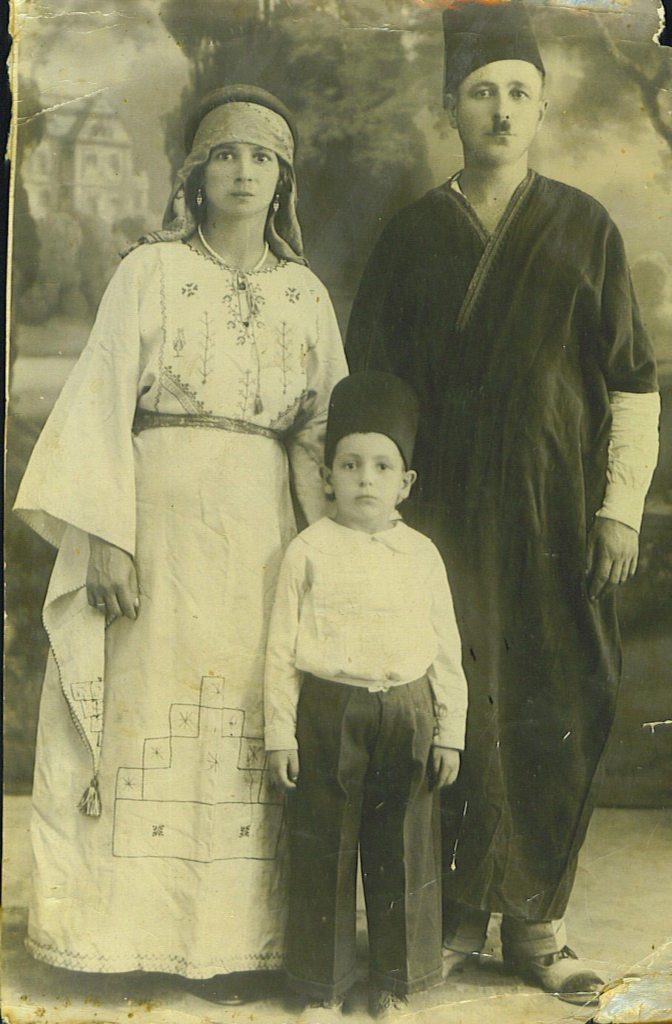
For Jews living around the world, Purim was a time to wear clothing that reflected the uniforms, or garments of the time. For example, photos of Jews living in post-Ottoman Empire areas in the 1930’s were photographed wearing a Fez and other traditional garb that was forbidden for them to wear except on Purim. (Photo and information from the University of Washington, Makena Mezistrano)
Sasha Rogelberg traces the commercialization of the holiday back to WWII. “Purim began becoming commercialized in America during World War II; the rise of Halloween-esque costumes in Israel took place in the following decades, after the founding of the state and in the 1960s and ’70s, when it was gaining its economic sea legs.” (Unmasking the origins of Purim costumes | The Pittsburgh Jewish Chronicle)
Purim Costumes run the gamut, from dressing as the main players in the Purim Story (Esther, Mordechai, Hamah, King), or dressing as superheroes, occupational figures, or other popular costumes. Others incorporate the modern themes of the Purim shpiel in their costume choice.
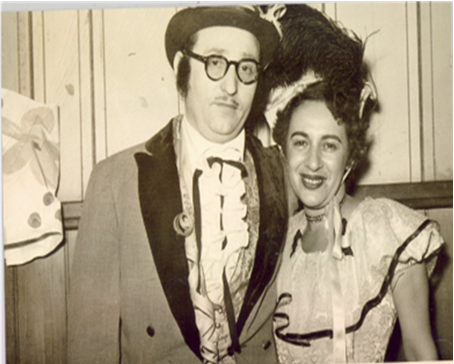
The following photos were generously shared from the Jewish Museum Milwaukee to help examine Purim Costumes through the ages.
From the 1950’s:
Estimated 1920’s or 30’s:
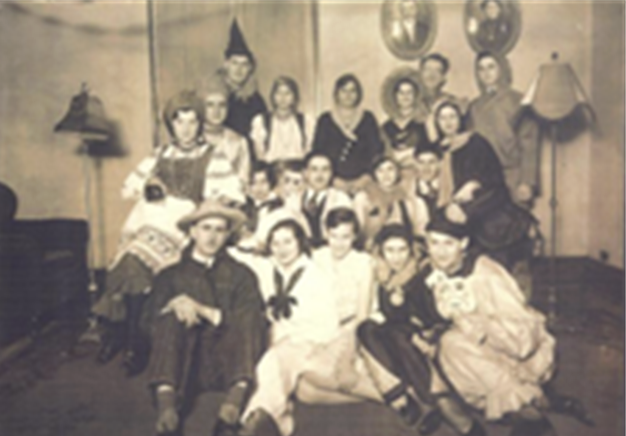
Estimated 1920’s or 30’s:
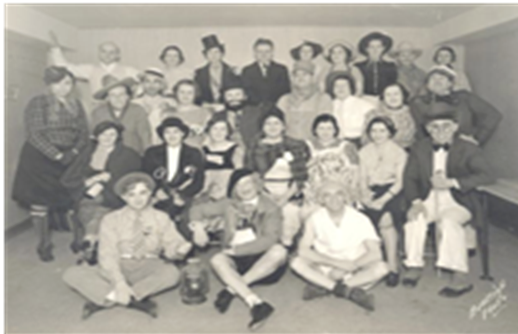
Late 1930’s:
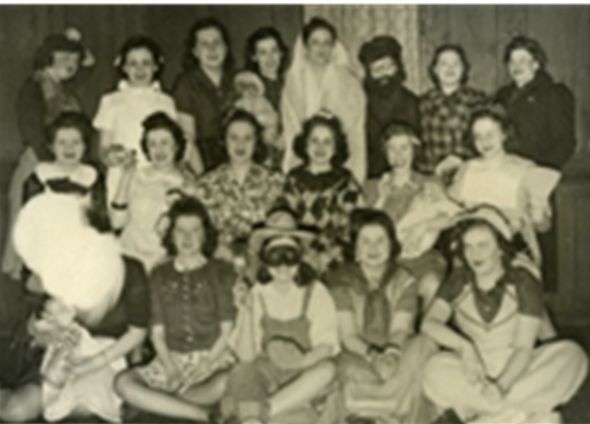
Additional Reading: