

Belonging at the Threshold
Yom Kippur asks us to wipe our slates clean: to take an honest account of where we missed the mark this year, and where we’ll do better in the next. This process is known as Teshuvah, often translated as repentance, but also as return. My friend Rabbi Brent Spodek gave me the metaphor of rowing a canoe with a partner. You have a destination in mind (being sealed in the book of life on Yom Kippur, for example) –and as you row, you realize you are off-course but still moving. Teshuvah is the course-correction, adding extra strokes to one side to keep moving toward where you need to go. Of course, it’s impossible to canoe in a perfectly straight line: the course-correction is always part of the journey.
When I think of the work we do with Embark cohorts, that same word, “returning,” comes to mind. In the four Embark cohorts I’ve led, I’ve been amazed by the humility, care, and integrity these couples bring to our learning. When we ask them to envision where they’re going in their metaphorical canoe journey of life, they return to traditions they loved but, for various reasons, had discarded. Embark invites reclamation of what was left behind by both partners, asking them to turn toward each other when they ask hard questions, instead of away. —
During our cohorts, it is not just the non-Jewish partners who are learning. I see partners who are born Jewish coming back to Judaism for the first time in a decade. Some have experienced rejection or fallout from being in a mixed-heritage partnership. Others, ashamed of what they didn’t know, shied away from sharing Jewish traditions with their partner. But all of the couples who sign up for Embark are trying to find a way to return. Together, they renegotiate how they think about ideas like Shabbat and the importance of rest, tzedakah (charity) and repairing the world, and all the dreams they’re building together.
Before I ever ask these couples to think about their relationship to God, I watch them lean on each other, partner to partner.
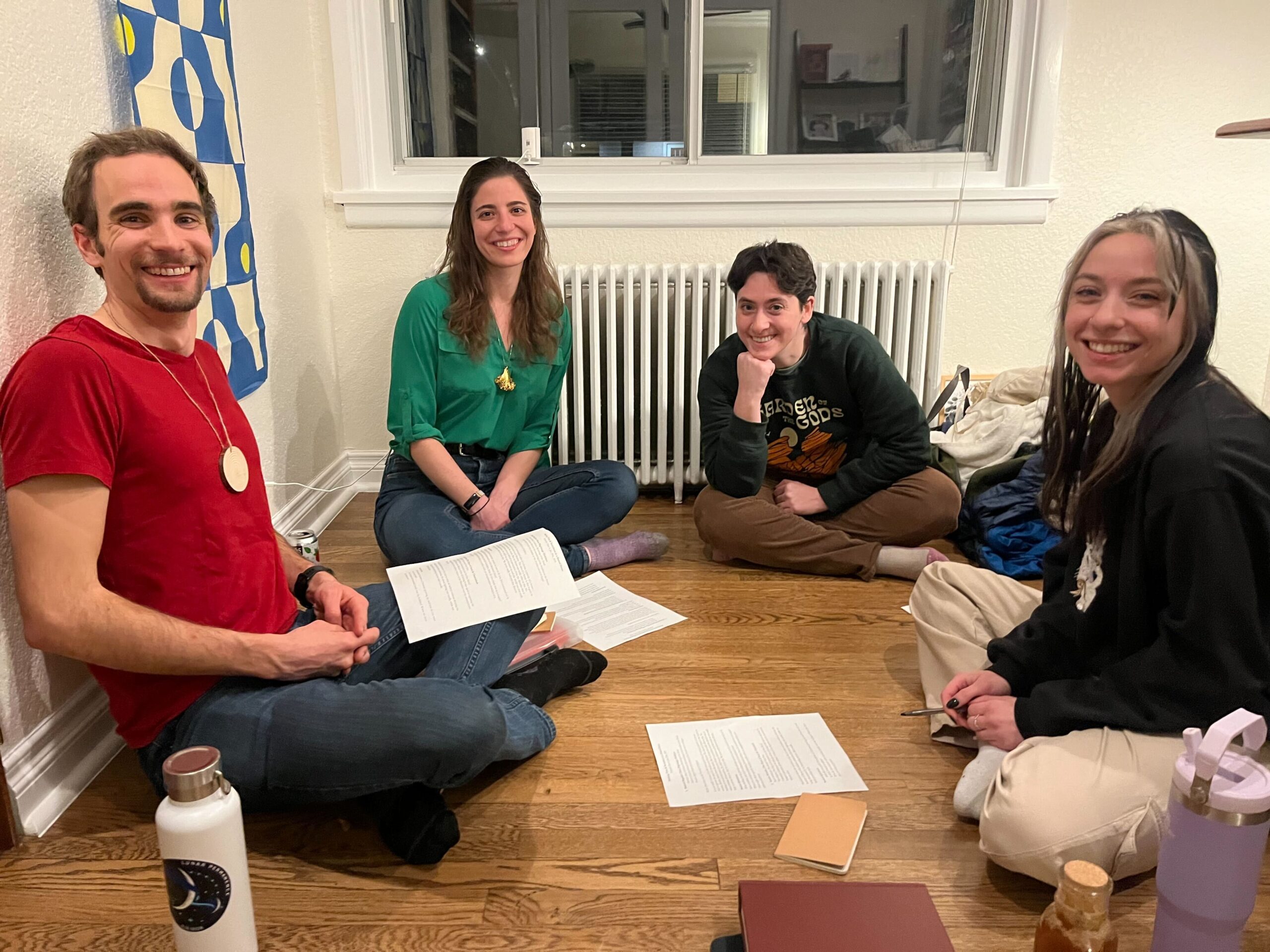
After all, Mishnah Yoma 8:9 teaches that Yom Kippur doesn’t atone for what’s happened between people until they’ve made it right with one another first. I leave coffee meetings amazed at their ability to course-correct through thorny topics like circumcision, how to raise and educate their kids, or whether to have a Christmas tree.
They also lean on the other couples in the cohort, sharing an understanding that only comes from being in a mixed-heritage relationship yourself. Seeing those friendships deepen and flourish is the greatest joy of facilitating Embark.
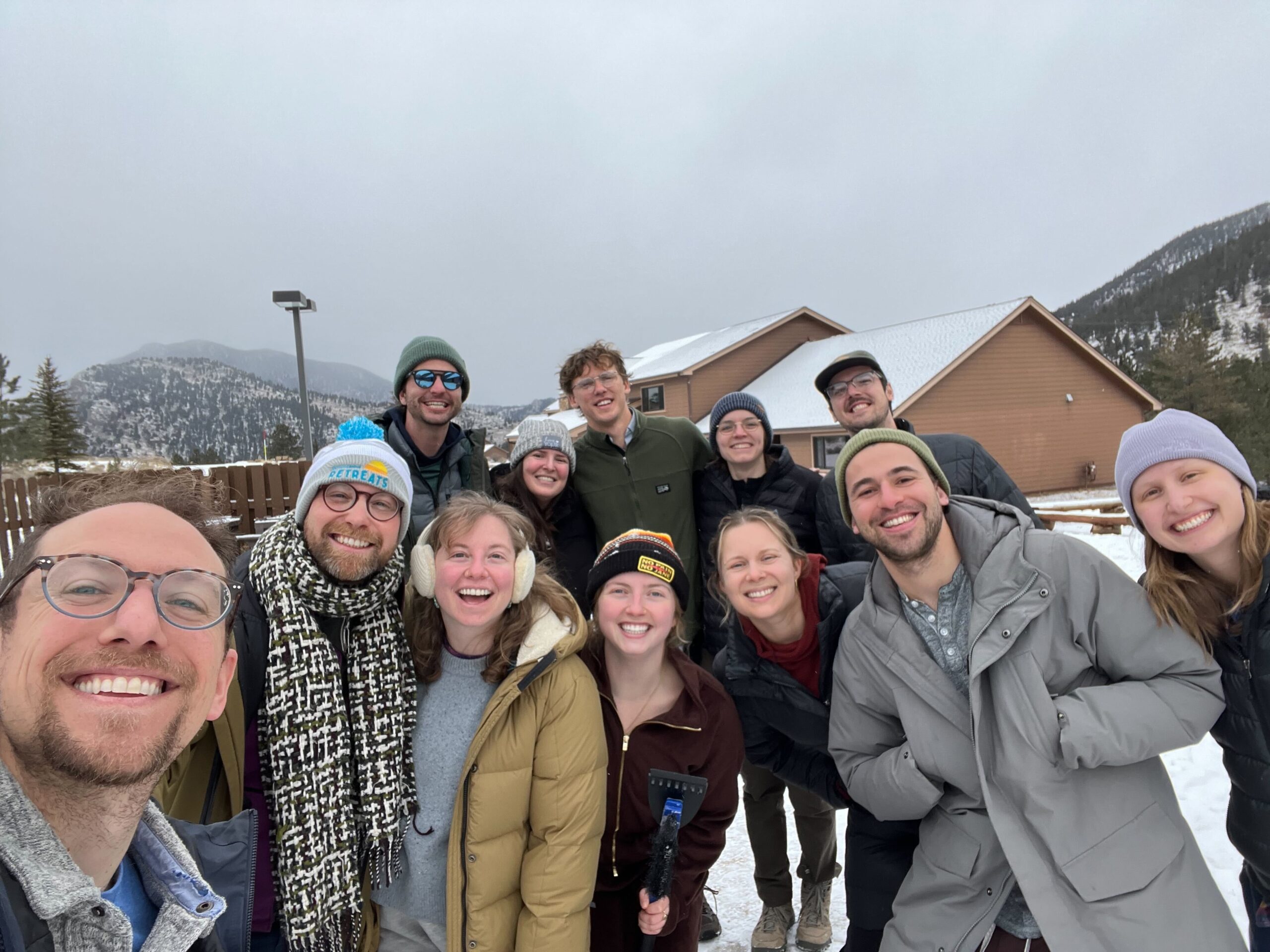
Embark, to me, is also about returning to joy and to belonging. The retreat we hosted in Estes Park this past January was filled with beautiful meals, prayer, Jewish text study, board games, a hike, and “life chavruta” with one another. After Shabbat, we lit a bonfire and made s’mores. I noticed how much the group’s connection had shifted in just 24 hours: the laughter more raucous, the conversations deeper, everyone more playful and free. This is a memory that I always want to return to.
Belonging is beautiful, but also fraught — it has the power to bring together or to exclude, and it’s so hard to feel. Yom Kippur especially crystallizes what belonging can mean. We think of observing the holiday as something you’re either in or out of — either you fast, you’re in shul, you’re part of the covenant, or you’re watching from a distance. But the couples I work with through Embark are, in some sense, always standing at a threshold, all year round. Yet being at the threshold isn’t a flaw, but an vantage point with which to approach life: open, seeking, and full of possibility. Yom Kippur doesn’t ask us to be whole from the start. It asks us to show up as we are and be willing to turn towards one another and the Divine. Every couple in Embark who shows up to sit with the big questions about identity,practice, and family is doing exactly that, whether or not they set foot in a synagogue this year.
This Yom Kippur, I’m thinking about the couples I’ve sat with this year: the ones figuring out whether to have a Christmas tree and a menorah in the same room, the ones discovering how to raise kids with two inherited stories, the ones who worked through disagreement about ritual instead of avoiding it. Their willingness to keep returning, doing the accounting, choosing each other and their evolving relationship to tradition — isn’t this also Teshuvah? It happens in a cohort, in our living room, in the messy, ongoing work of two people creating something neither tradition handed them ready-made, but that they are building every day — together.