


Mem Moment | A Time of Blessing and Belonging
Shemini Atzeret “The Eighth Day of Ceasing”
This season features many famous holidays: Rosh Hashanah, Yom Kippur, Sukkot. But even less well-known festivals can be sources of great meaning. Shemini Atzeret is one of these less famous festivals. It is so not-famous that it is the only holiday in the Torah that does not have a specific mitzvah associated with it.
We shouldn’t understand its name, Shemini Atzeret, “the Eighth Day of Ceasing,” to mean that it is simply the eighth and final day of Sukkot. We learn in the Talmud: “The eighth day is a festival in its own right. Just as the seven days of Sukkot require an offering, song, a blessing, and lodging, so too does the eighth day.” (Sukkah 47a)
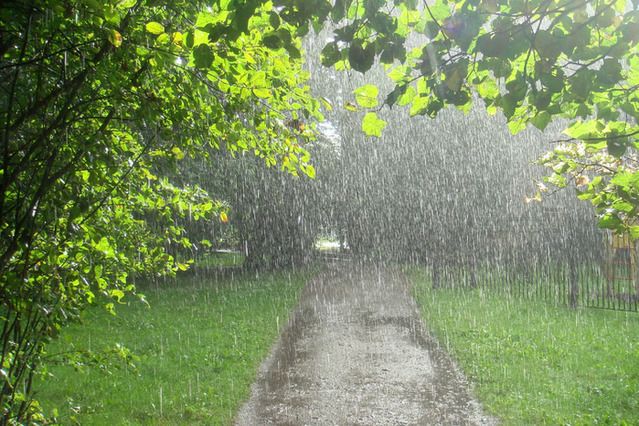
Shemini Atzeret is the moment when our tradition places us in an autumnal state of mind. This is expressed in an addition to the Amidah prayers that calls God Mashiv Haruach Umorid Hageshem — “Who causes the wind to blow and the rain to fall,” referencing the rainy season in the Land of Israel, which begins in autumn.
In Jewish tradition, rain at the appropriate time is a sign of blessing. Rain allows us to bring bread forth from the earth; it symbolizes our connection with the sublime and makes life itself possible. This blessing expresses the deep connection between people, the land, and God.
Rabbi Jonathan Sacks, z”l, explains:
“Shemini Atzeret is chamber music, not a symphony. It is quiet time with God. We are reluctant to leave, and we dare to think that He is reluctant to see us go. On Sukkot we are among strangers and friends. On Shemini Atzeret we are with family.”
On this Shemini Atzeret, may we be surrounded by all those whom we consider family, and may we share meaningful moments of growth, love, and happiness together.