


Food
Jewish Pizza Toppings Trivia
Introduction
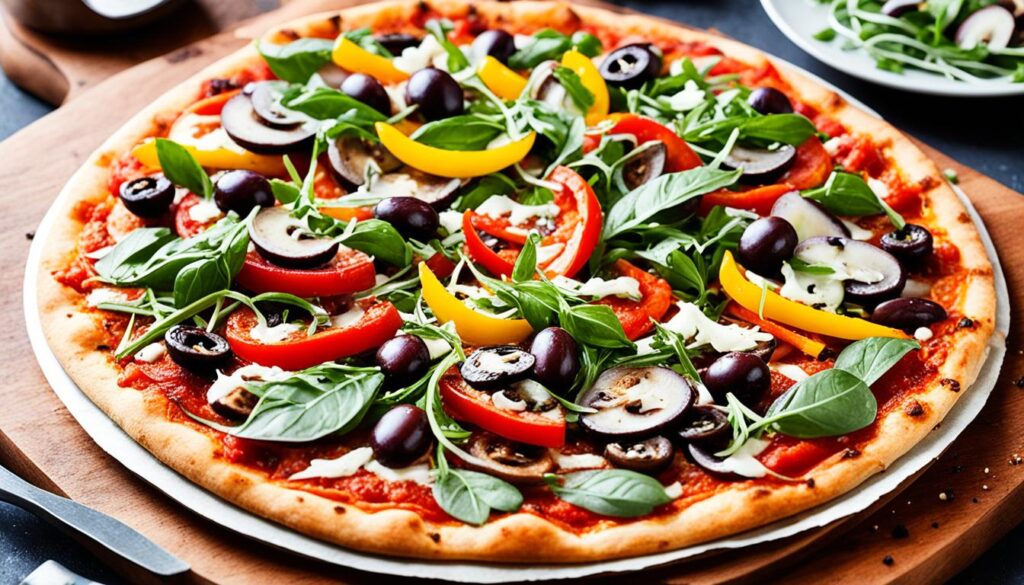
Hand out sheets to participants as they arrive, and encourage them to talk to each other to figure out the answers. Every food item mentioned should be available as a pizza topping – telling them the answers are on the table makes this game much more accessible. Perfect for a make-your-own pizza event.
Be sure to use this blank sheet for your participants, and keep a note of the answers below for yourself.
Jewish Pizza Toppings: Which item goes with each fact?
| Hint | Answer |
| This food is traditionally eaten in tough times to remember the circle of life and the hope of rebirth, like at Shiva and during the Passover seder. | Egg |
| Although technically all plants are kosher, some particularly scrupulous Jews avoid this one out of concern that its florets are too tightly packed to be properly inspected for insects. | Cauliflower or Broccoli |
| Many American Jews eat apples with this food on Rosh HaShanah to symbolize a sweet new year. | Honey or Hot Honey |
| Because of this food’s strong smell, it was widely used for cleansing and memory function. In both Sephardic and Ashkenazi traditions, it’s considered one of the strongest protections against the evil eye. | Rosemary |
| In the story of Noah’s ark, a bird returning with a branch of this plant signals hope, redemption, and the start of recovery. | Olives |
| Spanish Jews had a tradition of frying cheese in butter for Hanukkah. After the Expulsion in 1492, many Sephardim settled in Rome, where they used this local food to create the traditional Hanukkah cassola. | Ricotta Cheese |
| In medieval times, anti-Semitic rhetoric compared Jews to this food, referring to it as “Jew Meat,” possibly because of its slimy and often poisonous reputation. | Mushroom |
| This food is listed in the Talmud (Pesachim 42b) as one of a handful of edible remedies, along with ginger and aged wine, that can be used to heal every part of the body. | Peppers |
| Traditionally, latkes were made out of fried cheese. But after the introduction of this food to Europe in the 1600s, they quickly became a popular pareve option for celebrating. | Potato |
| Miniature versions of this food have been grown as decorative garnishes for centuries, but they didn’t become popular to eat until Israelis created a variety that maintained all the flavor and juiciness of the larger originals. | Tomato |
| This food is popular among Ashkenazi Jews for its ability to preserve produce over the long winter while introducing helpful probiotics that help break down heavy meat meals. | Pickles |
| Although the plants that grow this fruit look very tree-like, they are technically bushes – so the blessing is “…who created the fruit of the earth.” | Pineapple |
| There is a Jewish tradition to wear garlands of this food around one’s neck to satiate hunger and make fasting easier. | Basil |
| This food is the seed of a plant which is quite populous in Israel, even though it’s not native. That’s because the Jewish National Fund wanted plants that would grow quickly and “make the desert bloom.” Fortunately, local planting now focuses on native species. | Pine Nuts |
| Across the diaspora, Jewish folklore highlights this plant’s protective powers and its ability to ward off the evil eye. In Ladino, you say “Al ajo ke se la vaiga” (“Let it go to [this food]”) to deflect envy or bad luck after a compliment. | Garlic |
| Persian Jews have a Passover tradition of remembering the whips of the Egyptians by playfully hitting each other with the young shoots that grow from the more popularly eaten bulb of this plant. | Onion |