


Mem Moment | United in Resilience
Tzom Tammuz “Fast of Tammuz”
I’m going to tell you a secret – I don’t miss the Temple.
For most Jews in 2026, that might not seem like such a controversial statement. The Jerusalem Temple was destroyed almost 2,000 years ago, and few of us today really want a return to animal sacrifices, pilgrimage holidays, or a priestly elite. I know I certainly don’t. So it might be surprising to hear that despite my lack of grief for the Temple, I really do connect with some of the rituals around its commemoration.
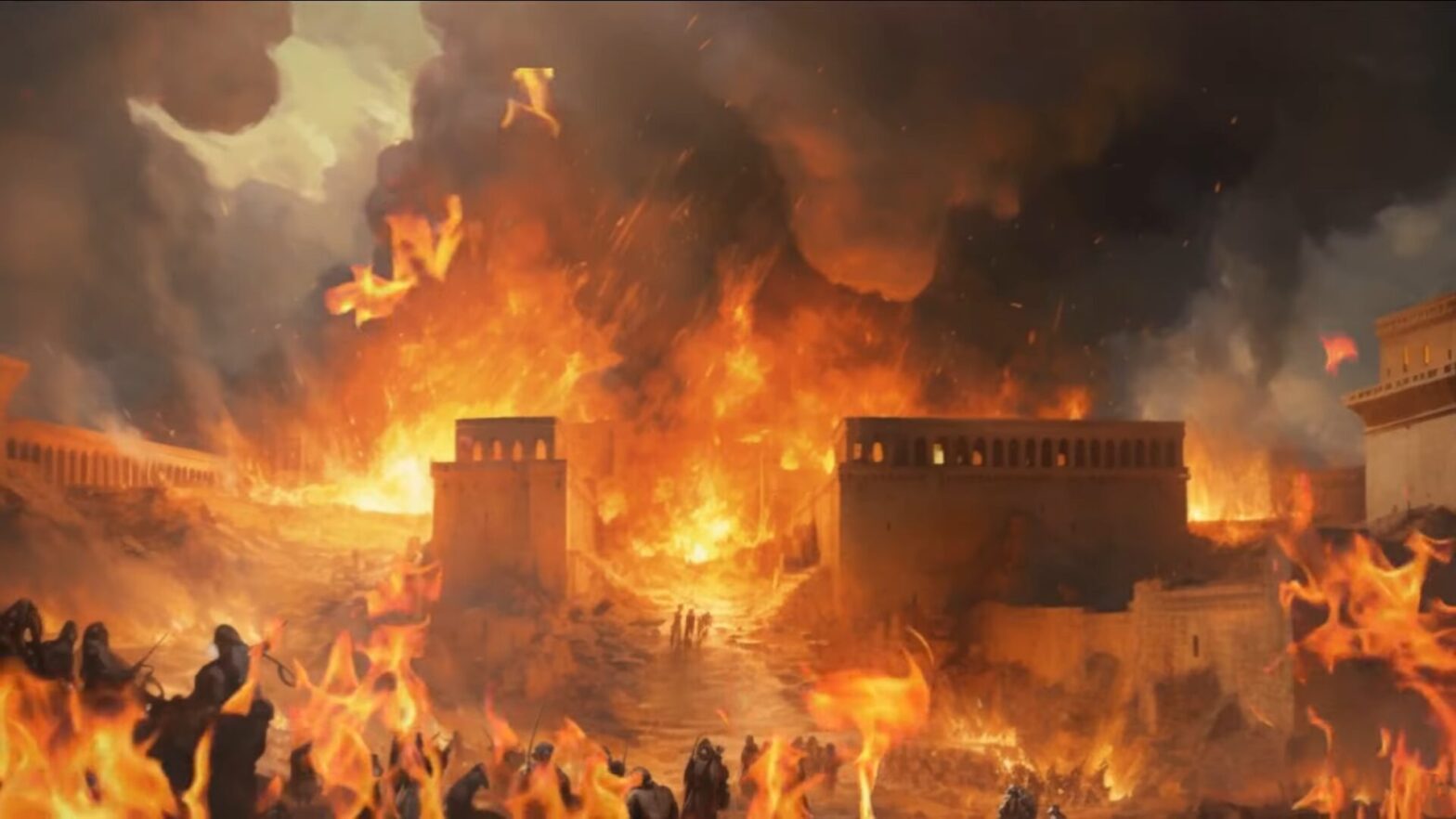
Tomorrow is Tzom Tammuz, a rabbinic fast day which commemorates the day that the Roman army got past the walls of Jerusalem and started destroying the city. Traditionally, the focus of this fast is on what it points towards: the destruction of the Temple at the city’s center three weeks later, on Tisha B’Av. But when I observe Tzom Tammuz, I mourn for the collateral damage.
Ancient texts tell of the starvation faced by people inside Jerusalem, their access to food cut off by the Roman siege. I think of starvation in Gaza and Sudan. Megillat Eicha tells of babies and children dying. I think of the destruction of hospitals in Myanmar and schools in Iran. Josephus writes about Jerusalem homes on fire. I think of Ukraine and Myanmar. Our tradition asks us to remember the trauma of fear, and I think of Israeli families running to bomb shelters. These things are painful to think about, and I am grateful that our calendar contains only a handful of mourning days. When they come, I try to honor them. And I also try to remember that these tragedies are not the end of the story.
Tzom Tammuz commemorates a tragedy, yes. But Jewish community continued – in Yavneh and Alexandria, in Babylon and India, in Morocco and Ethiopia. We survived because we built communities that could weather even the harshest storms. Our tradition teaches us that while we must remember the destruction, we are also called to cultivate joy and resilience. I am grateful for the work we do through Mem Global programs to build spaces that can hold us through the good and the bad, ensuring that no matter where we are, we never have to face the darkness alone.